117 Batesville Road, Suite 202, Simpsonville, SC 29681
Dental implants last 25 years or more for many patients — but not everyone gets that outcome. If you live in Five Forks, SC and are considering implants, you deserve the full picture. Understanding what makes implants succeed long-term helps you make a smarter investment in your smile. Dr. Lindsay Cash at Pearl Dental Studio wants every patient to walk away with results that truly last.
Why Dental Implants Last 25 Years or More for Most Patients
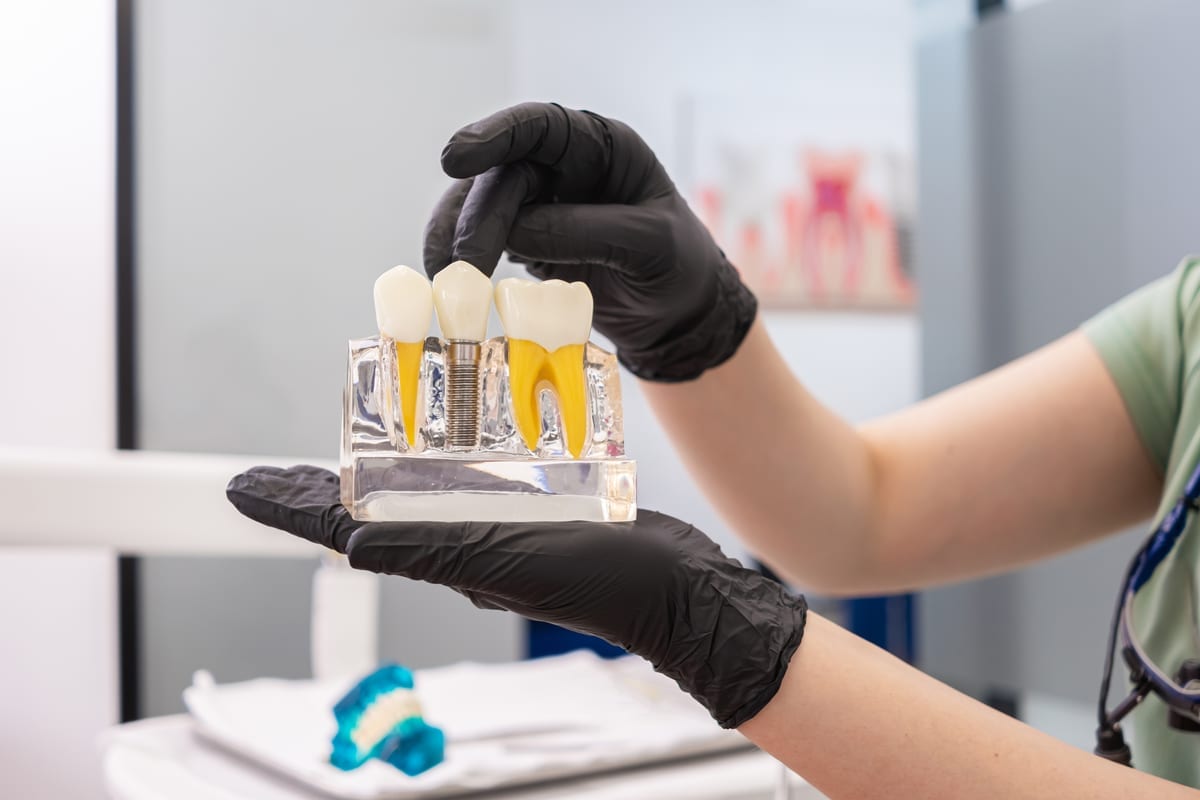
Dental implants are designed to be permanent tooth replacements. They consist of a titanium post that fuses directly with your jawbone in a process called osseointegration. This bond creates a foundation nearly as strong as a natural tooth root. When the process works well, it can support a restoration for decades.
Titanium is biocompatible, meaning your body accepts it without rejection. Once fully integrated, the implant becomes part of your jaw structure. This is the key reason implants outlast Dental Bridges and other traditional tooth replacement options. Bridges typically last 10 to 15 years before needing replacement.
Studies show that implant survival rates exceed 95% over a 10-year period. Many patients reach the 20- and 25-year mark with no issues. The longevity depends on proper placement, good bone quality, and consistent care.
Factors That Shorten Implant Lifespan in Five Forks Patients
Not every implant lasts as long as it should. Several factors can cause early failure or reduce the overall lifespan. Knowing these risks helps you avoid them before and after your procedure.
Here are the most common reasons dental implants fail too soon:
- Uncontrolled gum disease: Bacteria around the implant site can cause peri-implantitis, a serious infection that destroys bone.
- Smoking: Tobacco use slows healing and reduces blood flow to the gum tissue.
- Poorly managed diabetes: High blood sugar impairs healing and increases infection risk.
- Insufficient bone density: Implants need adequate bone volume to anchor securely.
- Teeth grinding (bruxism): Excessive clenching puts stress on the implant crown and post.
- Poor oral hygiene: Skipping brushing and flossing allows harmful bacteria to build up.
Some of these factors are manageable before your procedure. Dr. Cash evaluates each patient thoroughly to identify risks early. Addressing these issues before placement dramatically improves your long-term outcome.
What You Can Do to Make Your Implants Last a Lifetime
The good news is that patients have significant control over implant longevity. Your daily habits matter far more than most people realize. A proactive approach to care can easily get you to that 25-year milestone and beyond.
Follow these proven steps to protect your investment:
- Brush twice daily with a soft-bristle toothbrush
- Floss around the implant using implant-specific floss or a water flosser
- Attend dental cleanings every six months without exception
- Avoid chewing on hard objects like ice, pens, or hard candy
- Quit smoking or tobacco use as soon as possible
- Wear a nightguard if you grind your teeth during sleep
Regular professional cleanings are especially important for implant patients. Dr. Cash and the Pearl Dental Studio team monitor your implant at every visit. Catching early signs of trouble prevents small issues from becoming expensive failures.
Diet also plays a role in long-term implant health. A diet rich in calcium and vitamin D supports strong bone around the implant. Avoiding excessive sugar reduces bacterial load in the mouth.
How Implants Compare to Other Smile Restoration Options
When thinking about longevity, it helps to compare implants to other restorations. Dental Veneers are a beautiful cosmetic option, but they cover natural teeth rather than replace missing ones. Veneers typically last 10 to 20 years with proper care.
Dentures are another alternative, but they require periodic refitting as the jawbone changes shape over time. Traditional full or partial dentures do not stimulate the jawbone the way implants do. Without that stimulation, bone loss continues after tooth loss.
Implants actually prevent bone loss by mimicking the natural tooth root. This preserves your facial structure and jaw health for years to come. That bone preservation benefit alone sets implants apart from every other replacement option.
For patients in Five Forks who want the most durable long-term solution, implants consistently outperform the alternatives. The upfront investment pays off across decades of use.
What the Implant Process Looks Like at Pearl Dental Studio
Many Five Forks patients wonder what getting an implant actually involves. The process is more straightforward than most people expect. Dr. Cash guides every patient step by step from consultation through final restoration.
Here is a general overview of the implant journey:
- Consultation and imaging: Dr. Cash evaluates your bone density, gum health, and overall candidacy using digital X-rays or 3D imaging.
- Implant placement: The titanium post is placed into the jawbone under local anesthesia. Most patients report less discomfort than they anticipated.
- Healing phase: Over the next few months, the implant fuses with the bone. This osseointegration phase is critical to long-term success.
- Abutment and crown placement: Once healed, a connector piece and custom crown are attached to complete the restoration.
The entire timeline typically spans three to six months. The result is a tooth that looks, feels, and functions like the real thing. With proper care, that result can last well beyond 25 years.
Frequently Asked Questions
How long do dental implants really last?
Dental implants can last 25 years or more with proper care. Many patients keep their implants for a lifetime. The crown attached to the implant may need replacement after 10 to 15 years, but the titanium post itself often remains intact indefinitely.
What is the most common reason dental implants fail?
The most common cause of implant failure is peri-implantitis, an infection of the tissue around the implant. Poor oral hygiene, smoking, and uncontrolled gum disease are the leading risk factors. Addressing these before and after placement significantly reduces failure risk.
Are dental implants a good option for Five Forks patients?
Yes, dental implants are an excellent option for most adult patients in Five Forks who have sufficient bone density and healthy gums. Dr. Lindsay Cash at Pearl Dental Studio evaluates each patient individually to confirm candidacy and discuss expected outcomes.
Do dental implants require special cleaning or care?
Implants do not require special tools, but consistency matters. Brush twice daily, floss daily using implant-friendly floss or a water flosser, and attend regular professional cleanings every six months. These simple habits are the foundation of long implant life.
Can I get an implant if I’ve already lost bone in my jaw?
Bone loss does not automatically disqualify you from getting an implant. Bone grafting procedures can restore enough volume for successful implant placement in many cases. Dr. Cash will assess your bone levels during your consultation and discuss all available options.
If you are ready to explore whether dental implants are the right long-term solution for your smile, Pearl Dental Studio is here to help. Dr. Lindsay Cash proudly serves patients throughout Five Forks and the surrounding Simpsonville area. Book Now to schedule your appointment with our team.