117 Batesville Road, Suite 202, Simpsonville, SC 29681

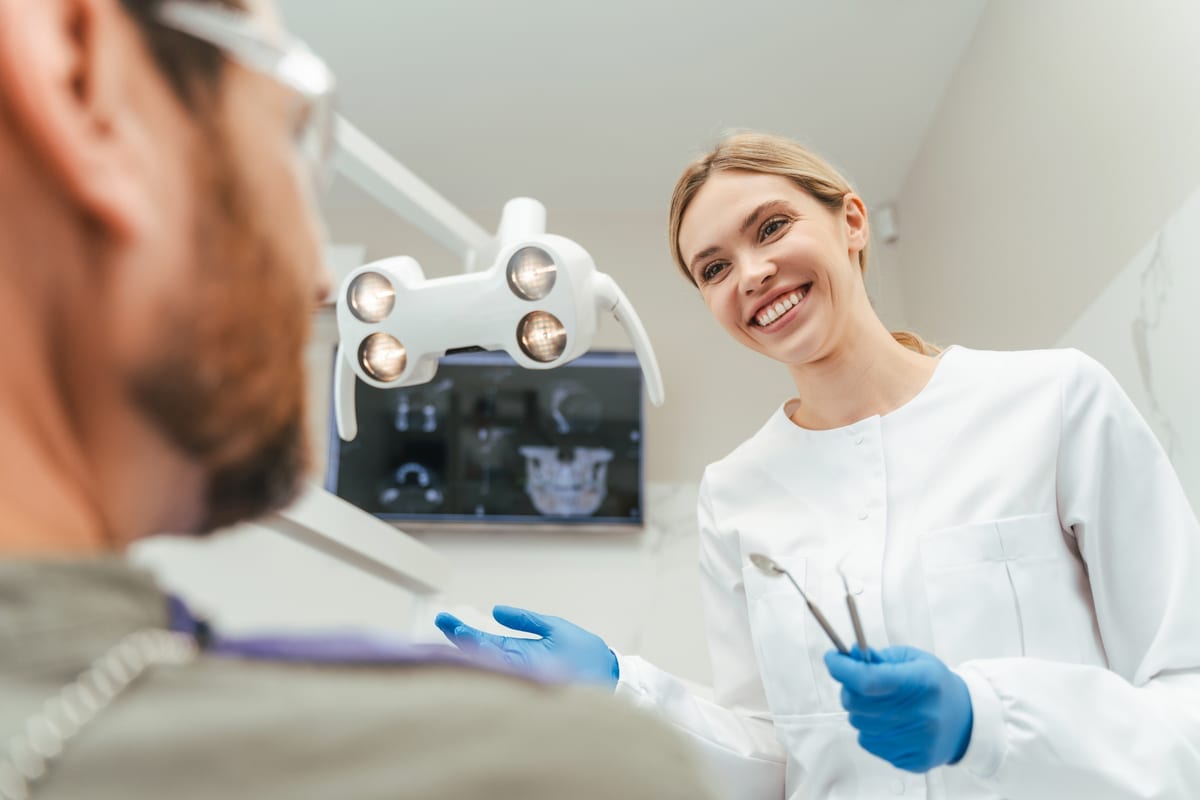
If you’ve ever sat back in the dental chair and wondered exactly what’s happening during your cleaning, you’re not alone. Understanding what your hygienist does during a professional cleaning in Simpsonville can help ease any anxiety and make you a more confident patient. At Pearl Dental Studio, Dr. Lindsay Cash and her team believe informed patients make healthier choices. This guide walks you through every step of a professional cleaning — from the first instrument to the final polish.
Step One: The Initial Oral Exam and Health History Review
Before any cleaning begins, your hygienist reviews your health history. This step matters more than most patients realize. Certain medications, health conditions, and lifestyle habits directly affect your oral health. Your hygienist needs this context before touching a single tool.
Next comes a visual examination of your entire mouth. The hygienist checks your gums, tongue, cheeks, and teeth for anything unusual. They look for signs of inflammation, lesions, unusual spots, or early decay. This exam sets the stage for everything that follows.
They may also take X-rays at this stage if it’s been a while since your last set. X-rays reveal problems hiding beneath the gum line or between teeth. No visual exam alone can catch everything. This combination of review and imaging gives your hygienist a complete picture of your oral health.
What Your Hygienist Does During a Professional Cleaning: Scaling and Calculus Removal
Scaling is the core of every professional cleaning appointment. Your hygienist uses a small metal instrument called a scaler to remove tartar — also called calculus — from your teeth. Tartar is hardened plaque that regular brushing cannot remove at home. Only professional tools can break it loose safely.
The hygienist carefully works along the gumline and between each tooth. You may hear scraping sounds during this phase — that’s completely normal. The goal is to clear all buildup without damaging the enamel underneath. Precision matters here.
Some patients require an ultrasonic scaler in addition to hand instruments. This device uses gentle vibrations and water to break apart stubborn deposits. It’s especially useful for patients who haven’t had a cleaning in over a year. Both tools work together for a thorough result.
- Removes tartar that brushing and flossing cannot eliminate
- Clears buildup along and below the gumline
- Reduces the bacterial load that causes gum disease
- Helps prevent bone loss associated with periodontitis
Gum Health Assessment: What the Hygienist Is Really Looking For
During and after scaling, your hygienist assesses your gum tissue closely. They use a small ruler-like probe to measure the depth of the pockets between your teeth and gums. Healthy pockets measure between one and three millimeters. Deeper measurements can signal gum disease.
The hygienist records these numbers for every tooth. These pocket depth measurements form your periodontal chart. Tracking them over time reveals whether your gum health is improving, stable, or declining. This data guides your future treatment plan.
They also check for bleeding, swelling, and recession. Bleeding during probing is one of the earliest signs of gum inflammation. It doesn’t mean something is terribly wrong, but it does mean your gum tissue needs attention. Your hygienist will explain what they find and what it means for your care.
This assessment connects directly to your overall health. Research links gum disease to heart disease, diabetes, and other systemic conditions. Your hygienist takes these findings seriously — and so should you.
Polishing, Flossing, and the Final Fluoride Treatment
After scaling is complete, your hygienist moves on to polishing. They apply a gritty toothpaste called prophy paste to a small rubber cup attached to a slow-speed handpiece. This device spins against each tooth surface to remove surface stains and remaining plaque film. The result is noticeably smoother, cleaner-feeling teeth.
Polishing is not just cosmetic — it also makes it harder for plaque to reattach quickly. A smooth tooth surface gives bacteria fewer places to grip. This buys you more time between professional cleanings. Think of it as a reset for your enamel.
After polishing, your hygienist flosses between every tooth. This removes any debris loosened during the cleaning that may have settled between teeth. It’s also an opportunity for them to check your contact points — the areas where adjacent teeth touch. Tight or open contacts affect how debris accumulates.
- Prophy polish removes surface stains without damaging enamel
- Professional flossing clears debris the instruments dislodge
- Fluoride treatment strengthens enamel against future decay
- The hygienist may recommend a specific home-care routine based on findings
Finally, many patients receive a fluoride treatment. This comes as a foam, gel, or varnish applied directly to the teeth. Fluoride remineralizes enamel and makes it more resistant to acid attacks from bacteria. It takes just a few minutes and offers meaningful protection between visits.
How Professional Cleanings Connect to Your Broader Smile Goals
A professional cleaning isn’t just about a fresh feeling — it’s the foundation of every smile goal you have. Whether you’re considering Cosmetic Dentistry Simpsonville services or simply maintaining what you have, clean and healthy teeth are always the starting point. You cannot layer cosmetic work over an unhealthy foundation. The hygienist’s work makes everything else possible.
Patients who maintain regular cleanings also tend to have better outcomes with restorative and cosmetic treatments. If you’ve explored options through our Cosmetic Dentistry Thank You Simpsonville page, you already know that a healthy smile is a beautiful smile. Routine cleanings keep your investment protected long-term. Consistency pays off.
At Pearl Dental Studio, Dr. Lindsay Cash and the hygiene team treat every cleaning as a full oral health evaluation. They don’t just clean teeth — they look for early warning signs, educate patients on home-care habits, and build a personalized plan for each individual. Every patient who walks through our door in Simpsonville deserves that level of attention.
Conclusion: Your Cleaning Appointment Is More Than Maintenance
A professional cleaning is one of the most powerful tools in preventive dentistry. It removes what home care cannot, identifies problems early, and sets the tone for your long-term oral health. Now that you understand what your hygienist does during a professional cleaning in Simpsonville, we hope the appointment feels less mysterious and more purposeful. Book Now to schedule your appointment with our team.
Frequently Asked Questions
How long does a professional dental cleaning take?
Most professional cleanings take between 45 minutes and one hour. If it has been a while since your last visit or if significant tartar buildup is present, the appointment may run slightly longer. Your hygienist will let you know what to expect before they begin.
Is it normal for my gums to bleed during a cleaning?
Some bleeding during a cleaning is common, especially if your gums are inflamed or if you have not had a cleaning recently. Bleeding is often a sign of early gum disease rather than a cause for panic. Your hygienist will note any bleeding and explain what steps you can take to improve your gum health at home.
How often should I schedule a professional cleaning?
Most patients benefit from a professional cleaning every six months. However, some patients with a history of gum disease or rapid plaque buildup may need more frequent visits — sometimes every three to four months. Dr. Lindsay Cash and your hygienist will recommend a schedule based on your individual needs.
Does a professional cleaning hurt?
A professional cleaning should not be painful for most patients. You may feel pressure, vibration, or mild sensitivity — especially near the gumline. If you experience significant discomfort, let your hygienist know right away. They can adjust their technique or offer options to make you more comfortable throughout the appointment.
What can I do at home to maintain my results between cleanings?
Brush at least twice daily with a fluoride toothpaste and floss once a day. Use a soft-bristled toothbrush and replace it every three months. Your hygienist may also recommend a specific mouthwash or electric toothbrush based on what they observed during your cleaning. Consistency at home makes every professional cleaning more effective.