117 Batesville Road, Suite 202, Simpsonville, SC 29681

You worked hard for your straighter smile. You wore your aligners every day, attended every checkup, and stayed committed to the process. But here is the truth many patients in Simpsonville do not hear often enough — finishing Invisalign is only half the journey. Understanding why your Invisalign results won’t last without this Simpsonville secret — retainers — could be the difference between a smile that lasts a lifetime and one that slowly shifts back.
At Pearl Dental Studio, Dr. Lindsay Cash walks every patient through what happens after their final aligner. This article breaks it all down so you know exactly what to expect and why retention matters so much.
What Happens to Your Teeth After Invisalign in Simpsonville?
Your teeth are not locked into place the moment you finish Invisalign. They are held in position by tiny fibers inside your gums called periodontal ligaments. These fibers have memory — and they want to pull your teeth back to where they used to be.
This natural process is called relapse. It happens gradually and quietly. Most patients do not notice the shift until their teeth have already moved significantly. That is why the period right after Invisalign treatment is so critical to protect.
Bone also needs time to fully harden around your newly positioned teeth. Until that stabilization is complete, your smile is at its most vulnerable. Retainers are the only tool that holds everything in place during this window.
Why Your Invisalign Results Won’t Last Without a Retainer
This is the core reason retainers exist — they maintain the results your aligners created. Without a retainer, your teeth will begin to shift within days of finishing treatment. It does not take months for movement to begin. In some cases, noticeable relapse can occur within just a few weeks.
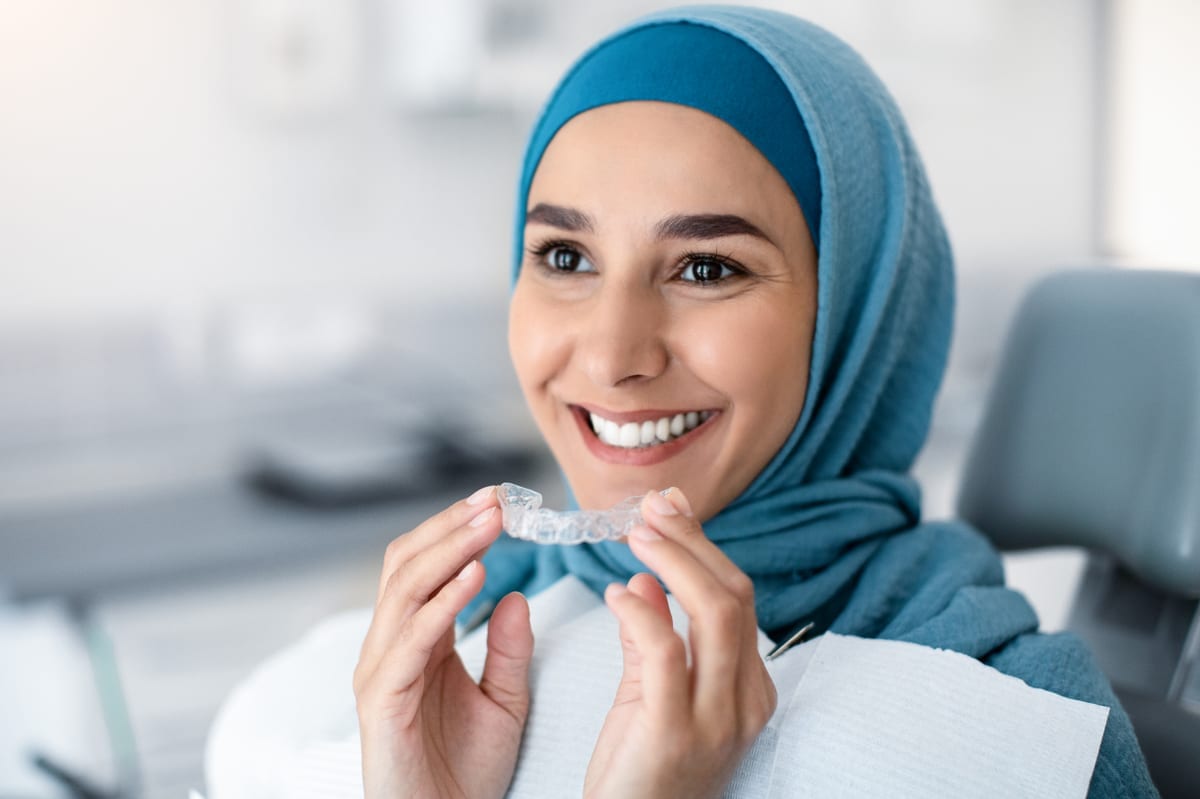
Retainers come in two main types. Removable retainers look similar to Invisalign trays and are worn at night. Fixed retainers are thin wires bonded to the back of your teeth and stay in place around the clock.
- Removable retainers — Easy to clean, comfortable to wear, and ideal for nightly use
- Fixed retainers — Invisible from the front, always in place, and great for long-term stability
- Combination retainers — Some patients benefit from using both for maximum protection
Dr. Lindsay Cash will recommend the right retainer type based on your specific case. Every smile is different, and your retention plan should reflect that.
How Long Do You Need to Wear a Retainer After Invisalign?
This is one of the most common questions patients ask at Pearl Dental Studio. The short answer is — for the rest of your life, at least part-time. Here is what that actually looks like in practice.
For the first several months after finishing Invisalign, most patients wear their retainer full-time. This means keeping it in for 20 to 22 hours per day. That timeframe allows the bone and ligaments to fully stabilize around your new tooth positions.
After that initial phase, most patients transition to wearing their retainer only at night. This nightly routine is something you maintain indefinitely. Teeth do not stop wanting to move just because a year has passed. Even adults who had braces decades ago can experience relapse if they stop wearing their retainer.
- Months 1–6: Wear retainer full-time (20–22 hours per day)
- Months 6–12: Gradually transition to nighttime wear with guidance from Dr. Cash
- Year 1 and beyond: Wear retainer nightly to maintain your results long-term
- Replace retainers as needed — typically every 1–3 years depending on wear
The good news is that nightly retainer wear becomes second nature very quickly. Most patients say they hardly notice it after the first few weeks.
What Happens If You Skip Your Retainer?
Life gets busy. We understand that. But skipping your retainer — even for a short period — can have real consequences for your smile. Here is what can happen when retention is neglected.
Teeth will begin drifting back toward their original positions. The longer you go without wearing your retainer, the more movement occurs. In some cases, the retainer may no longer fit after just a week or two of skipping it.
If your retainer no longer fits, you may need a new one — or in more significant cases, additional aligner treatment to correct the relapse. That means more time, more effort, and more investment. None of that is necessary when a simple nightly habit protects your results.
Skipping retainers also affects more than just straightness. Shifting teeth can create new gaps or crowding that affect your bite. That kind of misalignment can lead to jaw tension, uneven wear on teeth, and discomfort over time. Protecting your Invisalign results is about far more than aesthetics.
How Pearl Dental Studio Supports Your Smile After Invisalign
At Pearl Dental Studio in Simpsonville, Dr. Lindsay Cash believes that great dental care does not stop when treatment ends. Your retention phase is just as important as your active Invisalign treatment — and our team is here to guide you through every step.
We offer personalized retainer fittings, routine monitoring, and honest guidance about what your smile needs long-term. Whether you are finishing Invisalign soon or you completed treatment years ago and want to get back on track, we are here to help.
Our practice also offers a full range of cosmetic and restorative services for patients throughout Simpsonville. If you are interested in enhancing your smile beyond alignment, options like Dental Veneers can complement your Invisalign results beautifully. For patients with missing teeth, Dental Bridges are another trusted solution our team provides. We take a comprehensive approach to every smile we care for.
The relationship we build with you does not end at your last aligner. We are invested in your smile for the long haul — and that starts with making sure your Invisalign results are protected for years to come.
Take the Next Step for Your Smile in Simpsonville
You invested time and energy into creating the smile you have always wanted. Do not let it slip away because of a missing retainer. Whether you are just finishing Invisalign or you are realizing your results have shifted, Dr. Lindsay Cash and the team at Pearl Dental Studio are ready to help. Book Now to schedule your appointment with our team.
Frequently Asked Questions
How soon after finishing Invisalign do I need to start wearing a retainer?
You should start wearing your retainer immediately after your final aligner. Dr. Cash will provide your retainer at your completion appointment. Even a short gap between finishing treatment and starting retainer wear can allow unwanted movement to begin.
Can I just wear my last Invisalign tray as a retainer?
Your final aligner is not designed for long-term retention. It is made of a thinner material that wears down quickly. A proper retainer is more durable and designed to hold your teeth in their new positions. Dr. Cash will fit you with the right retainer for your smile.
What should I do if my retainer no longer fits?
Do not try to force a retainer that no longer fits. Contact Pearl Dental Studio as soon as possible. Dr. Cash will evaluate how much movement has occurred and recommend the best path forward. In some cases, a new retainer is all that is needed. In others, a short course of refinement aligners may be recommended.
How do I care for my removable retainer?
Rinse your retainer with cool water each time you remove it. Clean it gently with a soft toothbrush and mild soap — avoid toothpaste, which can be abrasive. Store it in its case when not in use. Bring it to your regular dental appointments so Dr. Cash can check its condition.
Is it too late to fix shifted teeth after Invisalign?
It is rarely too late to correct relapse. If your teeth have shifted after Invisalign, Dr. Cash can evaluate your current alignment and recommend options. Many patients benefit from a new set of refinement aligners to bring their smile back on track. The sooner you address the shift, the easier and faster the correction tends to be.