117 Batesville Road, Suite 202, Simpsonville, SC 29681

Most people who are considering dental implants have one question that comes up before almost any other: “How bad is the recovery?” You’re committing to a surgical procedure, and you want to know what the days and weeks that follow will look like. The good news is that for the vast majority of patients, recovery is far more manageable than they expected, and knowing what’s ahead makes the whole process feel much less daunting.
The Recovery Timeline: What Happens and When
Recovery from an implant placement isn’t a one-size-fits-all experience. It unfolds in stages, and each stage has its own set of expectations.
The first 24 to 48 hours are when most patients feel the most noticeable discomfort. That’s completely normal. Once the local anesthesia wears off, mild soreness, swelling, and possibly some minor bleeding around the surgical site are all typical. Most patients manage this comfortably with over-the-counter pain relievers like ibuprofen or acetaminophen, though prescription medications may be provided depending on the complexity of the procedure.
When it comes to dental implant surgery, the procedure is performed as a minor outpatient procedure. You go home the same day, and most patients who have desk jobs or work-from-home arrangements return to their routine within a day or two. Physical labor or anything strenuous should be avoided for at least a week.
Days 3 Through 7: The Swelling Peaks, Then Drops
Here’s something that surprises many patients: swelling often looks worse on days two or three than it did right after surgery. That’s not a sign that something is wrong – it’s simply how soft tissue responds to surgical trauma. The swelling tends to crest around the 72-hour mark and then gradually subsides.
Applying a cold compress to the outside of the cheek during the first 24–48 hours helps keep swelling under control. After that point, switching to warm compresses can actually promote better circulation and healing. Keeping your head slightly elevated while sleeping for the first few nights also makes a meaningful difference.
By day five or six, most patients are feeling noticeably better. The soreness has usually reduced to mild tenderness, and eating soft foods like scrambled eggs, yogurt, mashed potatoes, and soups becomes much more comfortable.
Weeks 2 Through 4: Surface Healing
The gum tissue at the implant site heals relatively quickly. Within two to three weeks, the soft tissue around the implant closes and firms up noticeably. At this point, most patients feel back to normal in terms of daily comfort and function. They’ve stopped thinking about the implant site, which is usually a good sign.
That said, your dentist will schedule a follow-up visit around the one- to two-week post-surgery to check how well you’re healing, confirm everything looks right, and answer any questions that have come up. At Pearl Dental Studio in Simpsonville, SC, this check-in is a standard part of the implant process – it’s how the team stays on top of your healing and adjusts anything if needed.
The Long Game: Osseointegration
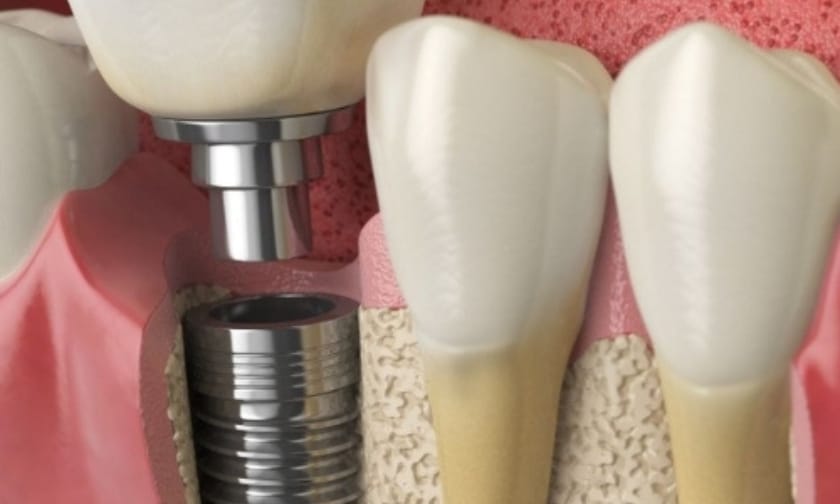
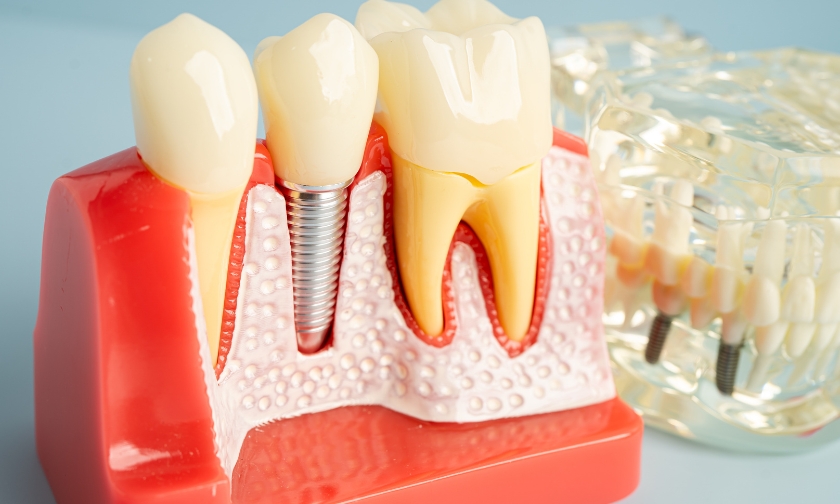
This is the part that takes the most patience. Osseointegration (the biological process by which the titanium implant post fuses with your jawbone) takes several months. Most patients can expect this phase to run between four and six months, though individual timelines vary based on bone density, overall health, and whether bone grafting was performed beforehand.
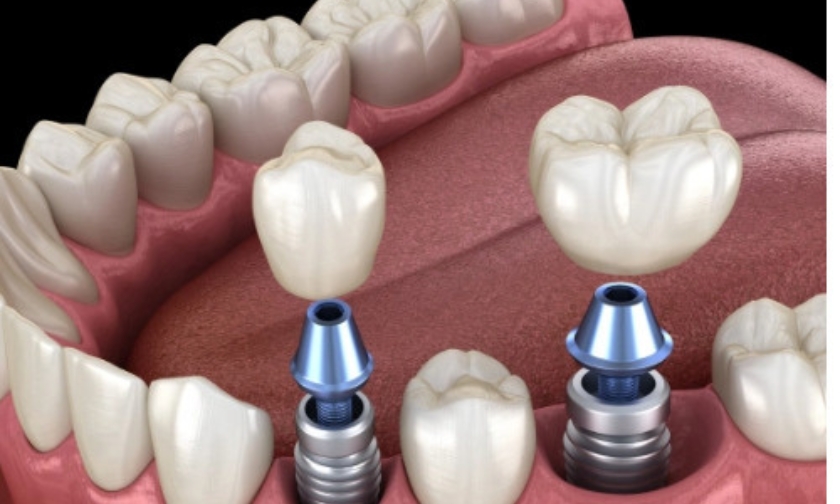
During this period, you won’t necessarily feel anything unusual. The integration happens quietly beneath the surface. You’ll continue visiting your dentist periodically to monitor progress, and once osseointegration is confirmed, the final restoration (your crown, bridge, or prosthetic) is placed.
This is the stage where the patience pays off. A well-integrated implant is stable, functions like a natural tooth root, and can last decades with proper care.
What Supports a Smooth Recovery
Recovery doesn’t just happen on its own – the choices you make in those first few weeks play a real role in how quickly you heal.
Stick to a soft diet. Hard, crunchy, or chewy foods put pressure on the implant site and can disrupt early healing. Your dentist will advise when it’s safe to expand your diet, and that guidance is worth following.
Avoid smoking. This one matters more than people often realize. Tobacco use impairs blood flow to healing tissue and is one of the primary risk factors for implant failure. The American Academy of Periodontology notes that smokers have substantially higher rates of implant complications than non-smokers.
Keep the site clean without disturbing it. Oral hygiene during recovery requires a gentle touch. Rinsing with warm salt water helps reduce bacteria without irritating the surgical site. Gentle brushing around the area keeps the surrounding teeth clean.
Follow all post-operative instructions. Every patient’s case is a little different, and your instructions will reflect the nature of your procedure. At Pearl Dental Studio, the team provides detailed written post-op guidance so you don’t have to rely on memory when you’re back home.
When to Call Your Dentist
A small amount of bleeding or oozing during the first 24 hours is normal. Persistent bleeding, severe pain that isn’t responding to medication, a fever, or any signs of infection, such as pus, increasing redness, or foul taste, are reasons to call your dental office promptly. These situations are uncommon, but catching them early makes a significant difference in outcomes.
If you’ve been putting off exploring dental implants because the recovery seemed uncertain, hopefully, this gives you a clearer picture. The process is well-established, the recovery is predictable, and with the right guidance and follow-up care, most patients move through it without major disruption to their lives.
Pearl Dental Studio serves patients throughout Simpsonville, Five Forks, Greenville, Mauldin, and the surrounding Upstate South Carolina area. Dr. Lindsay Cash and the team take the time to walk every patient through what to expect before, during, and after the procedure, so you feel prepared, not anxious.
People Also Ask
Do I need a bone graft before getting dental implants?
Not always. A bone graft is only necessary if your jawbone lacks the density or volume to support an implant securely. Your dentist will evaluate your bone structure through X-rays or a 3D scan during your consultation to determine whether grafting is needed before proceeding.
Can I drive myself home after implant surgery?
If the procedure is performed under local anesthesia only, many patients can drive themselves. However, if sedation is used, you’ll need someone to drive you home. Your dental office will confirm this beforehand so you can plan accordingly.
How soon after losing a tooth can I get a dental implant?
In some cases, an implant can be placed immediately after extraction. More commonly, a healing period of several weeks to a few months is recommended, especially if an infection was present or bone grafting is required. Your dentist will advise the appropriate timing for your specific situation.
Will my implant feel different from my natural teeth?
Once fully integrated and restored, most patients say their implant feels remarkably similar to a natural tooth. There’s no sensation of pressure or differentiation during biting. Over time, patients often forget which tooth the implant is in.
How do I care for my implant long-term?
Daily brushing, flossing, and regular professional cleanings are the main requirements. Implants don’t decay, but the gum tissue around them can develop peri-implantitis if oral hygiene is neglected. Consistent home care and dental check-ups keep implants healthy for the long term.