117 Batesville Road, Suite 202, Simpsonville, SC 29681
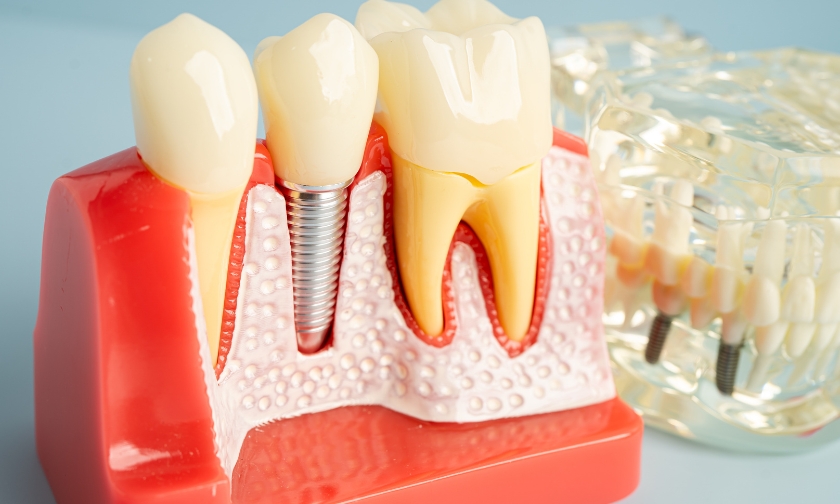
Dental implants have one of the highest long-term success rates of any tooth replacement treatment option – studies consistently cite rates above 95% over ten years. But that statistic comes with a caveat: long-term success depends heavily on what happens after the implant is placed. One of the most common reasons implants fail isn’t a surgical error or a poor-quality implant. It’s a preventable condition called peri-implantitis.
Understanding Peri-Implantitis: More Than Just Gum Inflammation
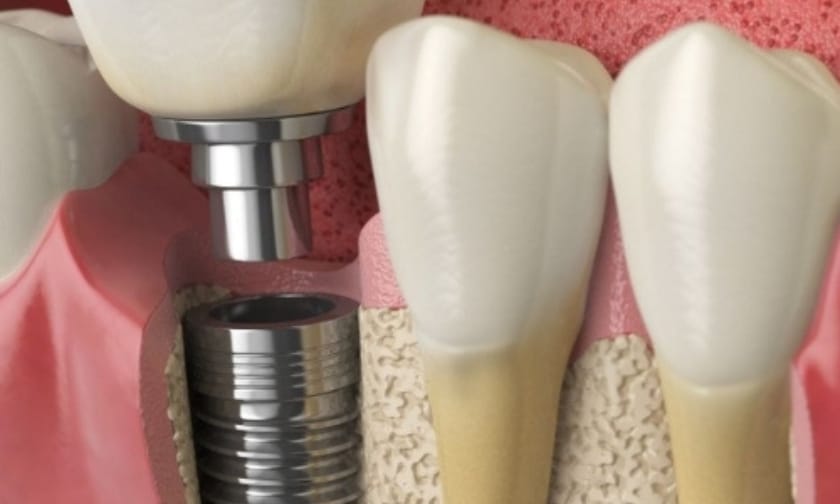
Peri-implantitis is a destructive inflammatory condition affecting the soft tissue and bone surrounding a dental implant. It shares some features with periodontitis – the advanced form of gum disease, but it progresses more rapidly and can be harder to treat once it takes hold.
The condition develops in two stages. The first stage, called peri-implant mucositis, affects only the soft tissue around the implant. At this point, the inflammation is still reversible with proper treatment and improved home care. Left unaddressed, it can progress to peri-implantitis, in which bacterial infection begins to erode the bone supporting the implant. That bone loss is largely irreversible, and in serious cases, it can lead to complete implant failure.
This is why the conversations that happen before and after dental implant surgery matter so much. Surgical placement is only one part of a successful implant outcome. Long-term tissue health is the other.
What Causes It?
The root cause of peri-implantitis is bacterial biofilm (the same plaque that accumulates on natural teeth) building up at the implant-tissue interface and triggering an immune response. When that response becomes chronic, it begins to attack the surrounding bone.
Several factors increase a person’s risk:
- History of gum disease: Patients who’ve had periodontal disease are at higher risk because the same bacterial strains involved in natural tooth gum disease can colonize implant sites.
- Smoking: Tobacco use impairs blood flow and the immune response in the gingival tissue, creating conditions that allow bacterial populations to thrive.
- Poor oral hygiene: Infrequent brushing, skipping flossing, and missed dental cleanings allow biofilm to accumulate unchecked.
- Uncontrolled diabetes: Elevated blood sugar levels interfere with immune function and slow the healing process, increasing susceptibility to infection around implants.
- Implant surface and positioning: Certain prosthetic designs can create hard-to-clean areas, allowing bacteria to accumulate in hard-to-reach pockets.
Research from the Journal of Clinical Periodontology estimates that peri-implantitis affects roughly 22% of implant patients at some point, making it one of the most significant complications in implant dentistry today.
How Pearl Dental Studio Approaches Prevention
Prevention isn’t a one-time action – it’s a consistent, layered approach that starts at consultation and continues for the life of the implant.
Pre-Surgical Assessment
Before any implant is placed, Pearl Dental Studio evaluates each patient’s full medical and periodontal history. If active gum disease is present, it’s treated first. Placing an implant into an unhealthy oral environment significantly increases the risk of peri-implant infection. This step is non-negotiable at Pearl Dental Studio, and patients in Simpsonville and across Upstate South Carolina benefit from this disciplined pre-treatment protocol.
Systemic factors like diabetes and smoking history are factored into the risk conversation. Patients aren’t left to figure these things out on their own – Dr. Lindsay Cash and the team take the time to discuss how each variable affects healing and long-term implant health.
Precision During Dental Implant Surgery
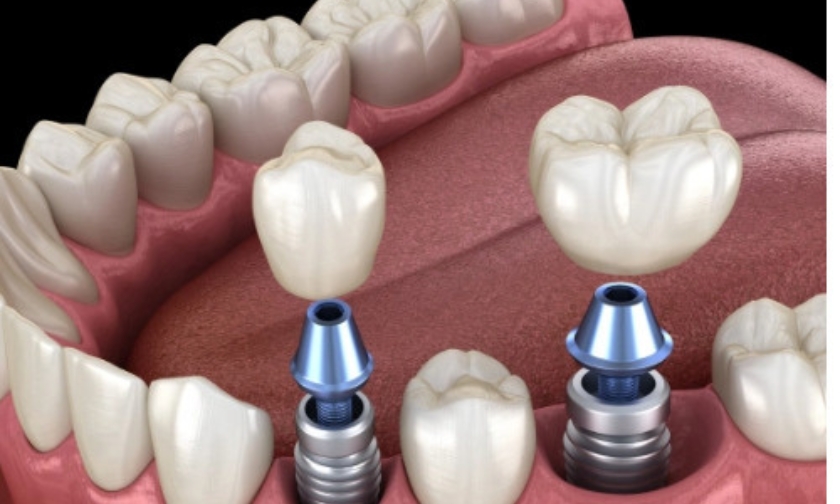
Proper implant positioning directly affects how cleanable the restoration is over time. An implant placed at the correct depth and angulation allows the crown or prosthetic to be designed with natural contours that don’t trap food and debris. Pearl Dental Studio’s treatment planning incorporates digital imaging and careful prosthetic design to ensure the final restoration works with your anatomy, not against it.
Every detail of the surgical phase, from flap management and implant depth to soft tissue handling, is carried out with long-term tissue stability in mind, not just immediate osseointegration.
Post-Treatment Maintenance
This is where most patients either protect their investment or unknowingly put it at risk. Professional maintenance visits after implant placement aren’t just routine cleanings — they include implant-specific assessments. During these appointments, the Pearl Dental Studio team checks for early signs of peri-implant mucositis, measures probing depths around the implant, evaluates bone levels on X-ray, and cleans the implant surface with instruments appropriate for titanium.
Most implant patients benefit from professional maintenance visits every three to four months in the first year, then reassessed annually based on individual risk. Patients in Simpsonville, Mauldin, Five Forks, and the surrounding Greenville area can easily integrate this care into their routine by making Pearl Dental Studio their ongoing dental home.
What You Can Do at Home
Good professional care only takes you so far. Daily home care is what fills the gaps between appointments.
Brush twice daily with a soft-bristle brush. This removes the daily plaque accumulation that would otherwise become calcified tartar. An electric toothbrush can be particularly effective around implants.
Use interdental cleaning tools. Standard floss works well around implants, but water flossers and interdental brushes can reach areas that regular floss sometimes misses, such as around implant-supported bridges or full-arch restorations.
Avoid smoking. If you smoke and have implants, quitting is the single most impactful thing you can do for your implants’ long-term survival. The relationship between tobacco use and peri-implantitis is well-documented and significant.
Keep up with your maintenance schedule. Canceled appointments have a way of becoming permanently skipped ones. The early-stage inflammation that’s easily treated at a check-up becomes much more involved if it’s left alone for a year or more.
Healthy Implants Are Maintained, Not Just Placed
Peri-implantitis is serious, but it’s also largely preventable with the right care approach. The combination of thorough pre-surgical evaluation, precise placement technique, and consistent long-term maintenance dramatically reduces the risk for most patients.
Pearl Dental Studio serves patients throughout Simpsonville, Greer, Greenville, Mauldin, and the broader Upstate South Carolina region. Whether you’re in the research stage or already have implants that need ongoing care, the team is ready to help you protect your smile for the long term.
People Also Ask
Can peri-implantitis be cured once it develops?
Early-stage peri-implant mucositis is fully reversible with professional treatment and improved hygiene. Advanced peri-implantitis with significant bone loss is much harder to resolve and may ultimately require implant removal if not caught in time.
How do I know if my implant has peri-implantitis?
Early signs include redness, swelling, or bleeding around the implant site, sometimes with a bad taste or mild discomfort. Many cases have no obvious symptoms initially, which is why regular professional monitoring is so important for catching it early.
Does peri-implantitis always cause implant failure?
Not always. When caught early (at the mucositis stage), treatment can halt the progression and preserve the implant. Advanced cases with significant bone loss are more difficult to treat successfully, and some do result in implant failure and removal.
Are some implant brands more resistant to peri-implantitis?
Implant surface texture and design can influence biofilm accumulation, and research into this continues. However, no implant is immune. The patient’s oral hygiene habits and maintenance care play a far larger role in long-term outcomes than implant brand alone.
How soon after getting implants should I start maintenance visits?
Your first post-surgical check-up typically occurs within 1 to 2 weeks of placement. Ongoing maintenance visits are usually recommended every three to four months during the first year, then adjusted based on your individual healing and risk profile.