117 Batesville Road, Suite 202, Simpsonville, SC 29681

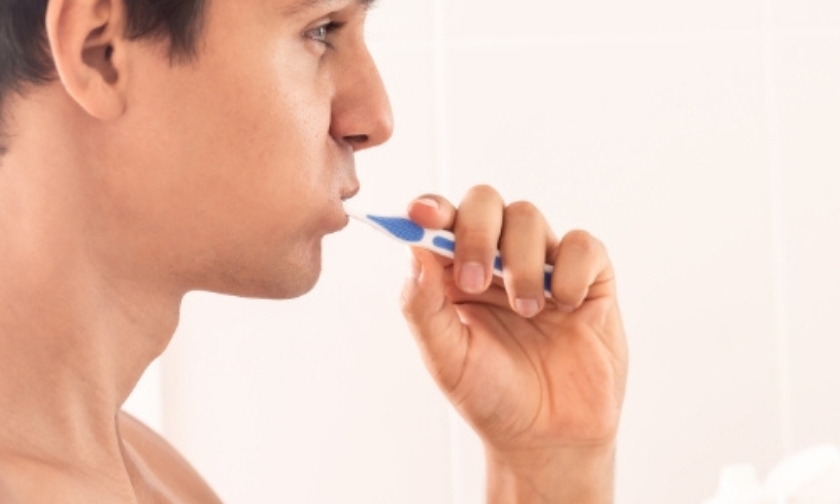
Maintaining a healthy smile often feels like a balancing act between the products you buy and the habits you keep. Most people stand in the dental aisle of a local store, feeling overwhelmed by the endless rows of colorful brushes. You might wonder if a high-tech vibrating handle truly offers a superior clean or if the traditional manual method still holds its ground. Science suggests that while both tools can be effective, the “best” choice usually depends on your personal technique and dental needs.
Comparing Mechanical Power and Manual Control
Manual toothbrushes have been the standard for decades because they are accessible, portable, and require no batteries. They allow you to feel the pressure you apply to your gums, which is helpful if you have sensitive tissue. However, the effectiveness of a manual brush relies entirely on your hand movement. Research shows that most people do not brush for the full recommended two minutes, and many miss hard-to-reach areas, such as the backs of the molars.
Electric versions take the guesswork out of the motion. These devices use oscillating-rotating or sonic technology to vibrate thousands of times per minute. This rapid movement breaks up plaque much more efficiently than a human hand can. Finding a trusted dentist near me provides an opportunity to discuss your oral anatomy and determine whether your current brushing style leaves debris that could lead to cavities.
The Impact on Plaque Removal and Gum Health
A recent study found that electric toothbrushes reduced dental plaque by 21% more than manual ones after three months of use. This is a significant margin, given that plaque is the primary cause behind gingivitis and tooth decay. The consistent stroke of an electric head ensures that every tooth surface receives uniform attention.
Beyond just cleaning, many modern models include pressure sensors. These sensors alert you when you press too hard, helping prevent wear and tear on tooth enamel and protect the gums from recession. If you have been told during a checkup that you are brushing too aggressively, switching might help prevent future sensitivity issues.
Who Benefits Most from Technology?
Many people find that the upgrade to an electric handle is life-changing. For people with limited mobility, such as those living with arthritis or carpal tunnel syndrome, the vibrating head does the work a stiff wrist cannot. It ensures that physical limitations do not result in poor oral hygiene.
Children also tend to be more engaged with electric brushes. Many models come with built-in timers or apps that turn a chore into a game. Since forming good habits early is a priority for families, using a tool that encourages a full two-minute session can help prevent stress during future dental visits. You can even start the conversation through a virtual consult process to get preliminary advice on which models are age-appropriate for your kids.
The Role of Professional Guidance
While the tool matters, the person behind the advice matters more. Who is Dr. Lindsay Cash? She is a highly certified doctor who focuses on comprehensive wellness and aesthetic harmony in South Carolina. Having a professional evaluate your gum type and enamel thickness ensures you aren’t just buying a gadget, but investing in a tool that works for your unique oral health.
During a routine exam, a professional can show you where you are missing spots. If your manual technique is flawless, you might not need to change anything. However, if there is persistent tartar buildup in certain areas, an electric brush is often the recommended solution to bridge that gap.
Practical Considerations: Cost and Travel
Manual brushes are undeniably more budget-friendly in the short term. You can pick them up for a few dollars, and they are easy to toss in a bag for a weekend trip to the coast. They don’t require charging bases or outlet adapters, making them the ultimate travel companion.
Electric toothbrushes require an initial investment, but many users find the long-term benefits outweigh the price. By preventing complex issues such as deep-seated gum disease or extensive decay, you may reduce your overall dental expenses over time. Most modern versions also hold a charge for two weeks or more, making them much more travel-friendly than they used to be.
Making the Final Decision
Choosing between these two options doesn’t have to be a permanent commitment. Some people prefer the control of a manual brush in the morning and the deep-cleaning power of an electric brush before bed. The goal is simply to remove as much biofilm as possible without damaging your tissues.
If you feel like your current routine isn’t giving you that “fresh from the dentist” feeling, it might be time for an upgrade. A dentist near you can provide a personalized recommendation based on the current state of your oral health. Taking that step ensures your home care aligns with professional standards, keeping your smile bright and functional for years to come.
If you are ready to see the difference professional guidance can make for your hygiene routine, Pearl Dental Studio in Simpsonville is here to help. Reach out to book your next visit to take the best care of your oral health today.
People Also Ask
How often should I replace the head on my electric toothbrush?
Just like a manual brush, you should replace the head every three to four months. If the bristles look frayed or if you have recently been sick, it is better to swap it out sooner to avoid bacteria buildup.
Can an electric toothbrush damage my porcelain veneers or crowns?
No, electric toothbrushes are safe for dental restorations. In fact, they are often better at cleaning the margins where the restoration meets the natural tooth, which helps prevent “recurrent” decay.
Is the virtual consult process helpful for picking dental products?
Absolutely. A virtual consult allows you to discuss your concerns and show your current smile to a professional from the comfort of your home. It’s an efficient way to find out if an electric brush is the right move for your specific dental goals.
Does a highly certified doctor prefer one over the other?
Most professionals prefer whichever tool the patient will actually use correctly. While the data leans toward electric toothbrushes for plaque removal, a highly certified doctor will tell you that consistency and a full two minutes of brushing are the most important factors.