117 Batesville Road, Suite 202, Simpsonville, SC 29681

Daily oral hygiene often feels like a mindless habit, something done on autopilot while thinking about the day ahead or winding down for sleep. Most people assume that because they have been brushing their teeth since childhood, they have mastered the technique. However, observations suggest that a significant number of adults inadvertently damage their enamel or miss critical areas of their mouth every single day. Refinement of these basic habits can be the difference between a routine checkup and a complex dental procedure.
The Reality of Adult Brushing Habits
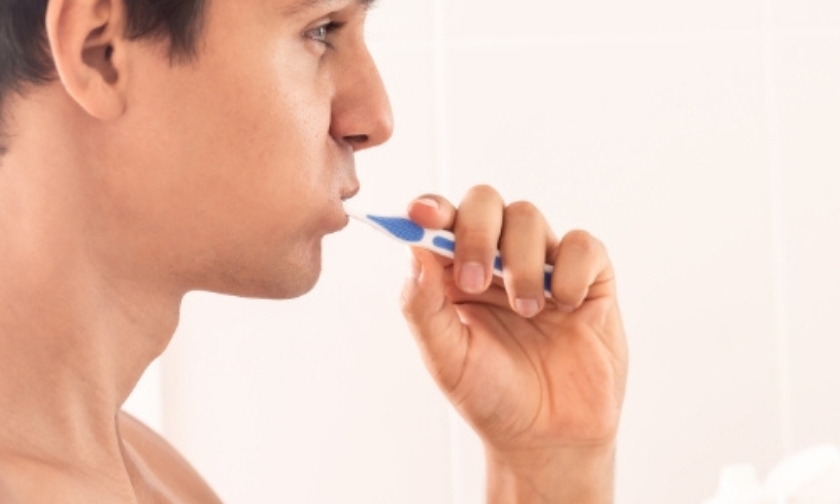
Brushing is more than just moving a plastic tool across your teeth for a few seconds. It is a process designed to disrupt biofilm – the sticky layer of bacteria that constantly forms on your tooth surfaces. If this film is not removed thoroughly, it hardens into tartar, which only a professional can remove. Many adults prioritize the front of their teeth because that is what they see in the mirror, but the chewing surfaces and the backs of the teeth are where most decay begins.
Consistency matters, but so does the physical pressure you apply. A common misconception is that scrubbing harder leads to cleaner teeth. In reality, aggressive brushing can lead to receding gums and the wearing away of protective enamel. This often results in tooth sensitivity that makes it uncomfortable to enjoy a cold drink or a hot meal. Finding a ‘dentist near me’ online lets you get a personalized assessment of your brushing technique to ensure you aren’t doing more harm than good.
Why Your Toothbrush Choice Matters
The tools you use are just as important as the technique you employ. Hard-bristle brushes are still available on many store shelves, but most dental professionals advise against them for daily use. Soft-bristled brushes are much more effective at cleaning the delicate gum line without causing trauma to the soft tissues. Whether you choose a manual or electric brush, the goal is to gently massage the teeth rather than scrub them.
Electric toothbrushes often come with pressure sensors that alert you when you are pressing too hard. This technology is helpful for those who have a “Type A” approach to cleaning. By consulting a highly certified doctor, you can determine which tools fit your unique oral anatomy. Every mouth is different, and what works for one person might not be the best fit for your gum density or tooth alignment.
Timing and the Two-Minute Rule
Two minutes sounds like a short amount of time until you are standing at the sink. Most adults stop brushing after about forty-five seconds, which simply isn’t enough time to reach every nook and cranny. Dividing your mouth into four quadrants – upper left, upper right, lower left, and lower right and spending thirty seconds on each ensures a comprehensive clean. This methodical approach prevents “skipping” the hard-to-reach molars in the back.
If you have just consumed something acidic, like coffee, soda, or citrus fruit, your enamel is temporarily softened. Brushing immediately after can rub the acid deeper into the tooth. It is better to rinse with water and wait about thirty minutes before picking up your toothbrush.
The Angle of Brushing
The most common mistake people make while brushing is picking the wrong angle of the toothbrush. Most people brush at a flat, 90-degree angle against their teeth. To effectively clean the sulcus (the tiny gap between your tooth and gum), you should hold your brush at a 45-degree angle toward the gum line. This allows the bristles to reach under the gum line, where plaque loves to hide.
Small, circular motions are more effective than long, horizontal back-and-forth strokes. Horizontal scrubbing can create notches in the tooth structure over time. If you are unsure if your technique is hitting the mark, a virtual consult process can be an easy way to get initial feedback from a professional before heading into the office. This modern approach to patient care makes it easier to stay on top of your hygiene goals from the comfort of home.
Overlooking the Tongue and Flossing
A clean mouth requires more than just clean teeth. The tongue can be a host of oral bacteria and is often the primary cause of bad breath. Gently brushing your tongue or using a tongue scraper removes the bacterial coating that can contribute to tooth decay. Similarly, brushing alone only cleans about 60% of your tooth surfaces. The spaces between teeth are inaccessible to brush bristles, making flossing a non-negotiable part of the process.
If flossing feels like a chore, there are many alternatives, like water flossers or interdental brushes. These tools are often easier to use for people with braces or permanent retainers. Discussing these options with Dr. Lindsay Cash can help you find a routine you can stick to.
The Role of Professional Oversight
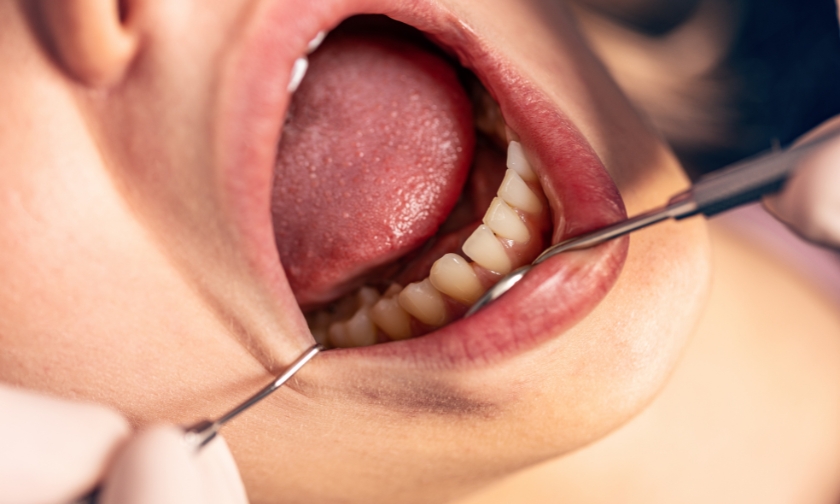
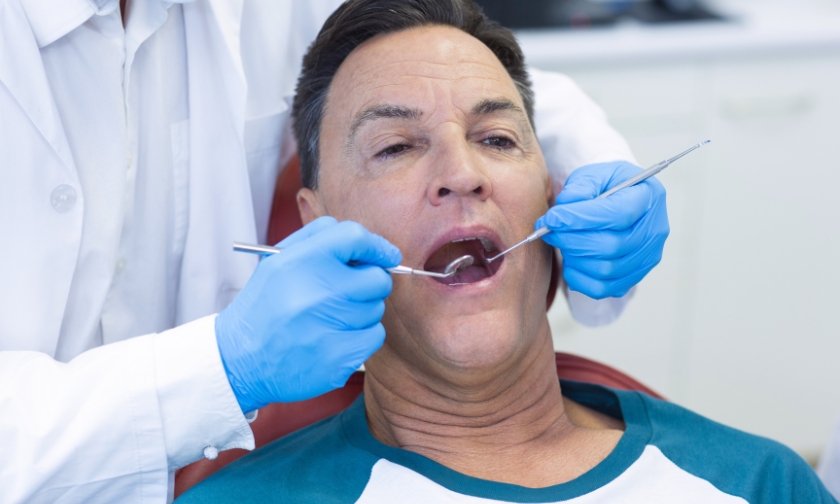
Even with a perfect home routine, professional cleanings are essential. A dentist near Simpsonville can identify early signs of systemic issues or primary decay that are invisible to the naked eye. Professional tools can reach beneath the gum line and remove calcified deposits that a toothbrush cannot touch. Regular visits also ensure that any restorations, such as fillings or crowns, remain intact and functioning properly.
If you are ready to refine your technique or simply need a professional cleaning to get back on track, reaching out to a local office like Pearl Dental Studio is the best next step. Book your appointment today to ensure your brushing habits are working for you.
People Also Ask
Is an electric toothbrush better than a manual one?
While you can achieve a great clean with a manual brush, electric toothbrushes are often more effective at removing plaque because they provide thousands of strokes per minute. They also often include timers and pressure sensors that help correct common human errors in brushing technique.
How often should I replace my toothbrush?
You should replace your toothbrush or brush head every three to four months. If the bristles become frayed or splayed before then, replace them sooner. Frayed bristles are less effective at cleaning and can be abrasive on your gums. It is also a good idea to get a new brush after you have been sick.
Does charcoal toothpaste whiten teeth safely?
Many charcoal toothpastes are too abrasive for daily use and can wear down your enamel over time, making your teeth look more yellow as the dentin underneath shows through. It is always better to consult with a highly certified doctor before starting any whitening regimen to ensure it won’t damage your teeth.
What is the benefit of the virtual consult process?
A virtual consult allows you to share photos or videos of your concerns with a dental professional without an initial office visit. This is a convenient way to get preliminary advice on cosmetic goals, orthodontic needs, or minor discomfort before scheduling a full in-person exam.