117 Batesville Rd Suite 202, Simpsonville, SC 29681


Recovery is a lot easier when you know what’s coming. That’s especially true if you’re about to get dental implants. Your mouth needs some time to bounce back, but a little preparation goes a long way. You’ll find that those first few days aren’t nearly as tough with some good habits and the right information. This guide breaks down what really happens after your implant surgery, how your body heals, and what you can do to make sure you get the best results.
The First 24 Hours Matter the Most
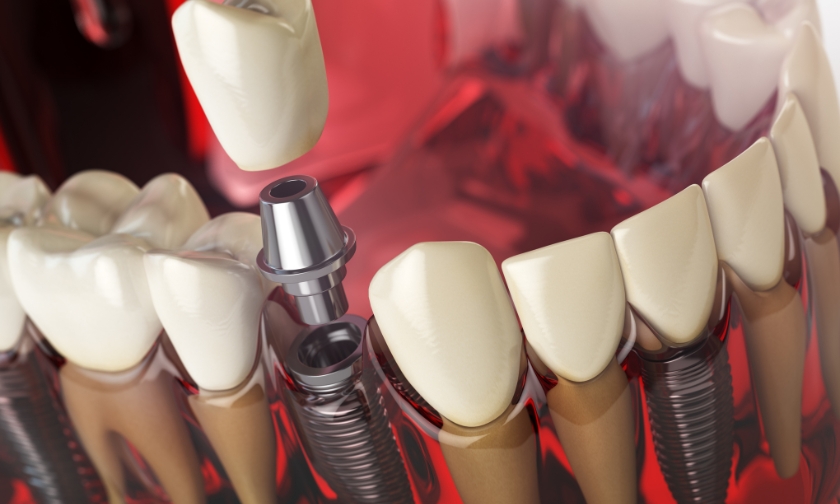
Right after surgery, your body gets straight to work. The healing process begins with osseointegration, in which your bone begins to fuse with the implant. It’s a crucial factor for long-term success, and according to the Journal of Oral Implantology, it can take months to complete.
During those first few hours, your main goal is to protect your mouth. Mild swelling or tenderness? Totally normal. That’s just your tissue reacting. Use a cold compress, rest, and skip hot foods for now. These little steps make a big difference and help set you up for an easy recovery.
Days Two Through Seven: Things Get Better
The first week brings some changes that usually feel encouraging. Swelling peaks within two to three days, then starts to fade. You’ll probably feel more comfortable chewing on the other side, but stick to soft foods for now.
This is when gentle oral care really matters. Brush carefully around the area, then rinse with warm salt water to keep your gums healthy and reduce irritation. If you’re undergoing the dental implant surgery at Pearl Dental Studio in Simpsonville, your dentist will share tips tailored to your case.
Most people return to work within a couple of days, depending on how they feel and the type of procedure they had. Drinking plenty of water, sleeping well, and avoiding smoking all help your mouth heal faster and stronger.
The Next Few Weeks: Slow and Steady
After the first week, healing becomes much more predictable. The bone keeps building around your implant, and your gums get stronger. For many, this part is pretty uneventful, and that’s a good thing. You’ll notice steady progress, and there shouldn’t be any new pain or swelling.
Your dentist will likely check in with you during this phase to make sure everything’s on track. These visits help catch any issues early, so your recovery stays smooth.
Little by little, you’ll get back to your normal diet, but it’s smart to hold off on super crunchy or sticky foods for a bit longer. Sticking to your care routine now really pays off, since it helps your implant handle future crowns or bridges.
Long-Term Success Comes Down to Everyday Habits
Once you’ve healed, your implant acts just like a natural tooth. Research in Clinical Oral Implants Research shows that people who stick to daily brushing, flossing, and regular cleanings keep their implants healthy for years. These small habits protect the tissue and bone around your implant, keeping bacteria at bay.
The better you care for your implant, the more natural and comfortable it feels. Most patients are surprised by how much it just feels like their own tooth once everything’s done. That comfort is the payoff for giving your body the time it needs and treating your new implant right from the start.
Preparation Makes Recovery Smoother
Healing is all about consistent habits, patience, and clear guidance. Listen to your dentist, trust the process, and don’t rush yourself. When you’re ready to talk about your treatment plan or book your next appointment, Pearl Dental Studio is here with support and the right answers.