
117 Batesville Road, Suite 202, Simpsonville, SC 29681

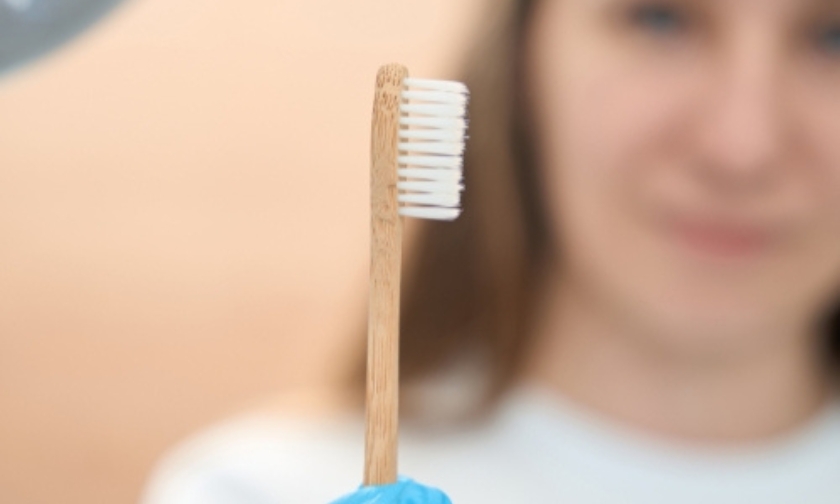
A clean mouth necessitates more than just a quick brush before leaving the house. While brushing cleans the front, back, and biting surfaces of your teeth, it misses nearly 40% of the tooth’s surface area. These hidden gaps between the teeth are where food particles and bacteria congregate, eventually hardening into tartar. Without regular intervention, this buildup leads to inflammation, gum recession, and tooth decay. Most people view cleaning these spaces as a chore, yet it remains the most effective way to prevent costly dental issues later in life.
Why Flossing Matters More Than It Gets Credit For
Your toothbrush, no matter how good it is, cannot reach the spaces between your teeth. That’s not a flaw in your technique. The bristles simply don’t fit there. And those tight spaces between teeth are exactly where bad oral bacteria concentrate, where plaque builds up undisturbed, and where cavities and gum disease get their start.
The American Dental Association is clear on this: interdental cleaning, like flossing or an equivalent, is a necessary part of oral hygiene, not an optional add-on. The CDC reports that nearly half of American adults over 30 have some form of periodontal disease. A significant portion of those cases can be traced back to years of inadequate cleaning between teeth.
Finding a ‘reliable dentist near me’ who will give you an honest assessment of your gum health, rather than just a reminder to floss, is the first step toward actually understanding where you stand.
Why Traditional Floss Often Fails the User
Traditional string floss has been the standard recommendation for decades. It is inexpensive and portable, but it requires a level of manual dexterity that many people find frustrating. If you have tight dental contacts, braces, or permanent retainers, maneuvering a thin piece of string can feel nearly impossible. Furthermore, using the wrong technique, such as snapping the floss against the gums, can cause minor trauma and bleeding, which discourages people from trying again the next day.
A common misconception is that if your gums bleed while flossing, you should stop. In reality, bleeding is usually a sign of existing inflammation, meaning you need to clean those areas more thoroughly, not less. However, the discomfort associated with string floss is a legitimate barrier. If the tool you are using makes you want to skip the habit entirely, it is time to consider modern dental solutions that better fit your lifestyle and comfort levels.
Effective Alternatives to String Floss
The best tool for your oral health is the one you will actually use every single day. If you find yourself staring at a container of string floss with dread, there are several clinically proven alternatives that provide excellent results. These modern tools often do a better job of disrupting bacteria without the hassle of wrapping a string around your fingers.
- Water Flossers: Water flossers, like the popular Waterpik, use a stream of pulsating water to clean between your teeth. These devices are effective at reducing plaque and improving gum health, making them a great alternative for those who struggle with traditional flossing. Plus, they’re easier to use and less likely to cause gum injury than string floss.
- Interdental Brushes: These look like tiny, flexible mascara wands. They come in various sizes to fit the gaps between your teeth. Many patients find them much easier to handle than string. Because the bristles physically scrub the sides of the teeth, they are highly efficient at removing stubborn plaque.
- Floss Picks: Similar to string floss, these feature a pre-threaded handle that makes it easier to reach the back molars. They are a great “on-the-go” option for keeping your mouth clean after lunch or dinner.
- Air Flossers: These devices use a combination of air and micro-droplets of water or mouthwash to clean between teeth. While perhaps not as powerful as a full water flosser, they are quick and easy for those who prioritize speed.
Seeking Professional Guidance for Your Routine
Every mouth is different. Factors like crowding, existing fillings, and gum sensitivity play a role in which tool will work best for you. This is where a personalized consultation becomes invaluable. Dr. Lindsay Cash, a highly certified doctor, focuses on tailoring dental advice to each patient’s needs. Rather than a one-size-fits-all approach, her team looks at your unique oral anatomy to recommend the most effective interdental tools.
The goal is to create a sustainable habit that feels like a natural part of your day rather than a burden. If you are unsure which direction to take, the virtual consult process offers a convenient way to get initial feedback from the comfort of your home. By connecting with a modern dentist near you, you can gain clarity on how to protect your smile without the frustration of outdated methods.
The Long-Term Impact of Interdental Care
Consistency is the secret to a healthy smile. When you regularly clean between your teeth, your gums remain firm, pink, and resilient. This doesn’t just keep your breath fresh; it protects your overall health. As we now know, chronic oral inflammation is linked to extensive health issues like heart disease and diabetes. By spending just two minutes a day on interdental cleaning, you are making a significant investment in your overall oral health.
A local dentist in Simpsonville can provide professional cleanings that remove the hardened tartar your at-home tools cannot reach. These appointments also serve as a “reset” for your gums, giving you a fresh start to maintain with your new water flosser or interdental brushes.
If you are ready to upgrade your routine and want professional advice tailored to your needs, our team at Pearl Dental Studio is here to help. Schedule an appointment today to discover how easy it can be to maintain a healthy smile for years to come.
People Also Ask
How often should I change my interdental brush?
You should generally replace an interdental brush once the bristles become splayed or the wire begins to feel weak, usually every 7 to 10 days. Using a worn-out brush is less effective at removing plaque and can potentially irritate your gums.
Can a water flosser replace brushing?
No. A water flosser is a supplement to brushing, not a replacement. Brushing cleans the flat surfaces of your teeth, while the flosser targets the gaps and the gum line. Both are necessary for a truly clean mouth.
Who is Dr. Lindsay Cash, a highly certified doctor?
Dr. Lindsay Cash is a dedicated dental professional known for her commitment to continuing education and advanced clinical techniques. Her background enables her to provide comprehensive care, ranging from preventive hygiene to complex cosmetic and restorative procedures.
Does mouthwash count as flossing?
While antimicrobial mouthwashes can kill bacteria, they lack the physical force needed to remove food particles or thick plaque. Mouthwash is a great final step in your routine, but it cannot replace the mechanical action of flossing or using an interdental brush.
Related Articles