117 Batesville Rd Suite 202, Simpsonville, SC 29681

Dental implants are a go-to option for replacing missing teeth these days. They look and work like your real teeth, and they’re built to last. But here’s the thing – not everyone can get implants right away. It all comes down to your jawbone. If your jaw isn’t in good shape, the whole procedure gets tricky. So let’s talk about why jawbone health matters so much for dental implants, and what you can do to get your jaw ready.
Why Jawbone Health Matters
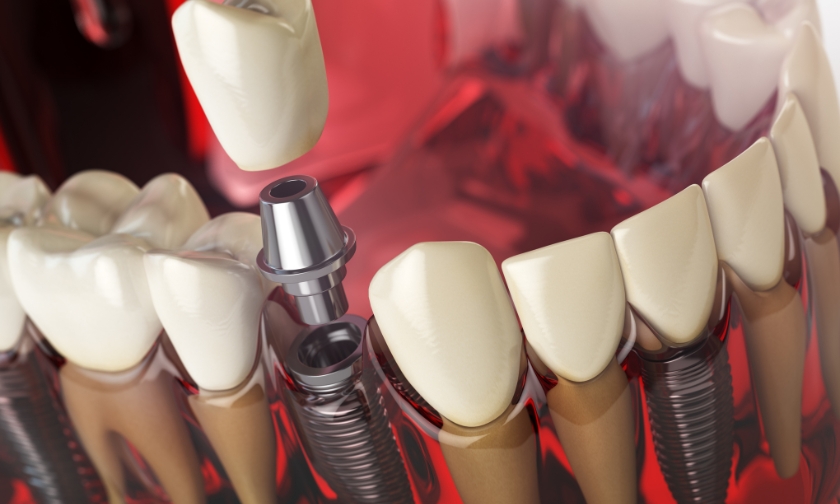
Think of your jawbone as the foundation for your new teeth. The implant itself acts like a fake tooth root, but it won’t work unless it can fuse with healthy bone—a process called osseointegration. If the bone’s too thin or weak, the implant just won’t hold. That’s where most problems pop up.
The biggest issue?
Bone loss. Once you lose a tooth, the bone underneath starts to shrink away since it’s not getting any stimulation. Over time, it gets weaker—a process called resorption. If that happens, there’s just not enough bone left to hold an implant without extra steps.
How Jawbone Health Affects Implants
- Bone Density: You need enough strong, healthy bone for the implant to stay put. If your jawbone has thinned out too much, it can’t support the implant. In those cases, dentists often recommend bone grafting to rebuild what’s missing before the implant is placed.
- Bone Volume: It’s not just about density; you need enough bone in the right spot. If there isn’t enough structure, implants can end up loose or uncomfortable. Procedures like sinus lifts or bone grafts can bulk up the bone where it’s needed most.
- Oral Health: Everything in your mouth is connected. Gum disease, for example, speeds up bone loss and leaves your jaw fragile. If you don’t get gum problems under control before surgery, it can mess with healing and even cause the implant to fail. Staying on top of your oral hygiene really does make a difference.
Signs Your Jawbone Might Not Be Ready
Wondering if your jawbone’s an issue? Here are a few red flags:
- You’ve had missing teeth for a while—bone resorption is probably happening.
- You feel pain or discomfort in your jaw.
- Your gums are receding, often indicating that the bone underneath is shrinking.
If any of these sound familiar, it’s a smart move to see a dentist and get your jawbone checked out before dental implant surgery.
How To Keep Your Jawbone Healthy
Want your dental implant to last? Here’s what helps:
- Keep up with brushing, flossing, and regular dental visits to fight gum disease.
- Treat gum disease early. It stops bone loss in its tracks.
- Don’t smoke. Seriously, it slows healing and increases the likelihood of implant failure.
- Eat foods high in calcium and vitamin D, or take supplements if your dentist suggests them.
What If You’ve Already Lost Bone?
Even if you’ve already had some bone loss, you’re not out of options. Treatments like bone grafting can rebuild bone so you can still get implants. The exact procedure depends on how much bone you need and where it is required.
Bottom Line
A healthy jawbone is key to successful dental implants. If your bone’s strong, the implant has a much better shot at lasting for years. Even if you’ve lost some bone, don’t give up—there are ways to fix it. Get a complete evaluation and discuss your options with your dentist. With the right care, you can get the smile you want. If you’re curious about your own jawbone health or have questions about implants, reach out to Pearl Dental Studio in Simpsonville.