117 Batesville Rd Suite 202, Simpsonville, SC 29681

Gum disease has a well-earned reputation as a silent condition. It builds slowly, often without pain, and by the time most people notice something is off, persistent bleeding, gum recession, or a tooth that feels slightly loose has already started wreaking havoc. That’s the core reason routine gum evaluations matter so much. You’re not waiting for symptoms to confirm a problem. You’re checking before problems take hold.
Dr. Cash at Pearl Dental Studio sees this pattern regularly. Patients who’ve been searching for a dentist near Simpsonville, SC, often arrive at their first appointment unaware of how much their periodontal health has changed since their last professional evaluation. The good news is that, caught early, gum disease is highly manageable, and a professional assessment is where that process always begins.
What a Gum Evaluation Involves
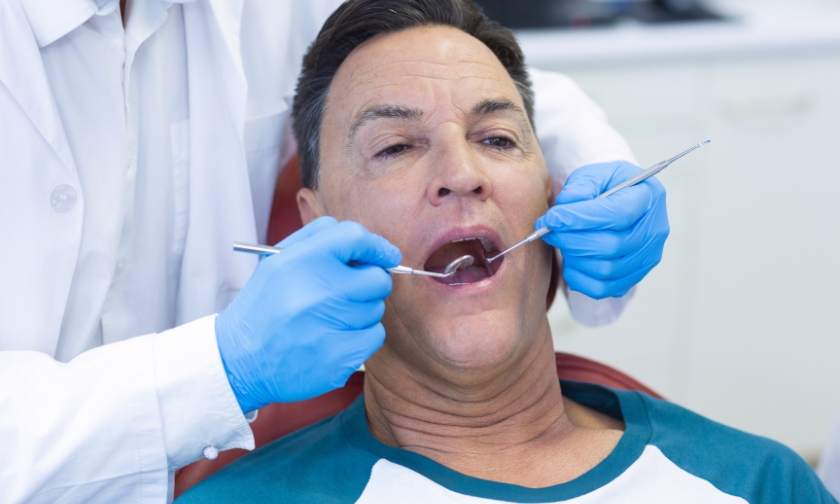
A periodontal evaluation isn’t just a visual inspection. It’s a systematic clinical assessment that provides a clear picture of your gum health. Understanding what’s involved helps patients arrive with realistic expectations and take the results seriously.
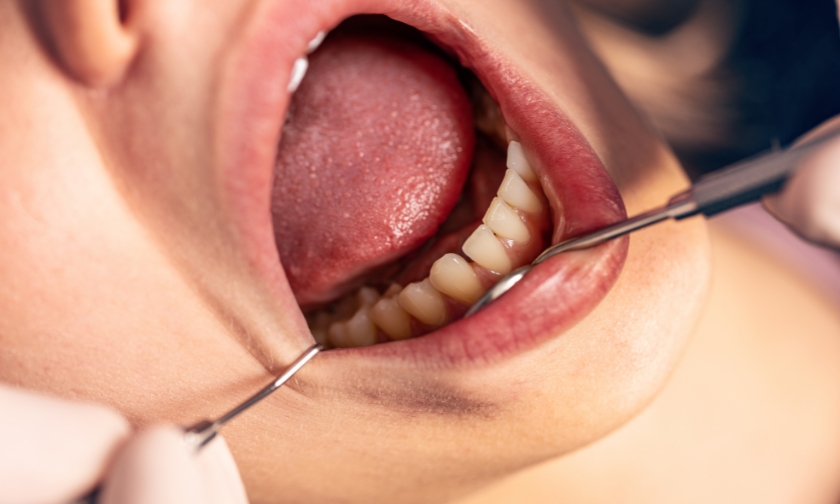
Dr. Cash and the Pearl Dental Studio team use a periodontal probe to measure the depth of the pockets between each tooth and the surrounding gum tissue. Healthy pockets measure between one and three millimeters. Readings of four millimeters or more indicate some level of inflammation; deeper pockets signal more advanced disease and active bone loss. These measurements are recorded at multiple points around each tooth, usually six per tooth, giving a complete map of gum health rather than a spot check.
Alongside probing, the evaluation assesses gum color and texture, bleeding on probing (a reliable indicator of active inflammation), plaque and calculus levels, tooth mobility, furcation involvement for multi-rooted teeth, and radiographic bone levels. Together, these data points classify periodontal status and guide the recommended treatment, if any.
Signs That Make a Gum Evaluation Timely Right Now
Some situations warrant a periodontal evaluation beyond routine consideration. If any of the following apply to you, booking an appointment with a professional found through your online search for a ‘dentist near me’ is the right call:
- Gums that bleed consistently when you brush or floss — occasional bleeding after aggressive brushing is one thing; regular bleeding is a clear sign
- Gums that look red, swollen, or pulled away from the tooth surface
- Persistent bad breath that doesn’t resolve with normal brushing and rinsing
- Teeth that feel slightly loose or have shifted position
- A change in how your bite feels when you close your teeth together
- Visible tartar buildup that you haven’t been able to address through brushing alone
- Any tooth that has become sensitive to pressure in the absence of a new cavity or recent dental work
None of these symptoms indicates you’re facing tooth loss, but they do indicate that something in your periodontal environment has changed and needs clinical attention.
Risk Factors That Justify More Frequent Evaluations
Even without active symptoms, certain factors raise your baseline risk for gum disease enough to warrant more frequent professional monitoring. Knowing where you stand on this list is useful context.
Systemic Health Conditions
Diabetes has a bidirectional relationship with periodontal disease — each condition worsens the other. Patients with uncontrolled or poorly managed blood sugar are significantly more susceptible to gum infection and experience more rapid disease progression. Similarly, cardiovascular disease, osteoporosis, and autoimmune conditions like rheumatoid arthritis have documented associations with periodontal inflammation. If you manage any of these conditions, your gum health deserves regular attention alongside your medical care.
Medications
A number of medications affect gum tissue directly. Calcium channel blockers, anti-seizure medications like phenytoin, and immunosuppressants used after organ transplants can cause gingival overgrowth — excess gum tissue that makes cleaning more difficult and raises infection risk. Blood thinners don’t cause gum disease, but can mask bleeding patterns that would otherwise flag inflammation. Always give your dental team a complete medication list.
Tobacco Use
Smoking and smokeless tobacco consistently rank among the strongest modifiable risk factors for periodontal disease. Tobacco restricts blood flow to gum tissue, impairs immune response, and suppresses the bleeding that would normally signal inflammation — meaning tobacco users often have more advanced disease than their symptoms suggest. If you use tobacco in any form, more frequent evaluations are genuinely warranted.
Family History
Genetic predisposition plays a meaningful role in periodontal susceptibility. If a parent or sibling has a history of significant gum disease or early tooth loss, your own risk is higher than that of the general population. This doesn’t mean disease is inevitable, but it does mean staying current with evaluations and not letting gaps in care linger.
How Often Should You Have a Gum Evaluation?
For patients with healthy gums and no significant risk factors, a periodontal assessment at each routine cleaning appointment twice yearly provides adequate monitoring. Patients who have been treated for gum disease in the past or who carry multiple risk factors are usually placed on a three- to four-month maintenance schedule. The interval is based on how quickly bacterial biofilm re-establishes itself below the gumline after professional cleaning, and in higher-risk patients, that window is shorter.
Simpsonville’s population has grown substantially over the past decade, which means more people are establishing dental care in the area for the first time or after long gaps. For those patients, the first evaluation serves as a baseline — whatever is found there becomes the reference point for everything that follows. Starting that record sooner rather than later works in your favor.
Your Gums Are Worth a Closer Look
A professional gum evaluation takes less time than most patients expect, and the information it provides shapes every aspect of your dental care going forward. Whether you’re due for a routine checkup or you’ve noticed something that hasn’t felt quite right, Dr. Cash at Pearl Dental Studio is ready to give your periodontal health the attention it deserves.
Looking for a dentist near Simpsonville who takes gum health seriously from the first visit? Book your appointment at Pearl Dental Studio online or by phone today.