117 Batesville Road, Suite 202, Simpsonville, SC 29681

If your dentist has ever mentioned a deep cleaning, you may have wondered what that means. Understanding deep cleaning vs regular cleaning and which your mouth really needs in Mauldin is more important than most patients realize. These two procedures have very different goals. Knowing the difference helps you take control of your oral health.
At Pearl Dental Studio, Dr. Lindsay Cash works with patients throughout the Simpsonville and Mauldin areas. She believes education leads to better outcomes. This guide will walk you through what sets these cleanings apart — and how to know which one applies to you.
What Happens During a Regular Dental Cleaning?
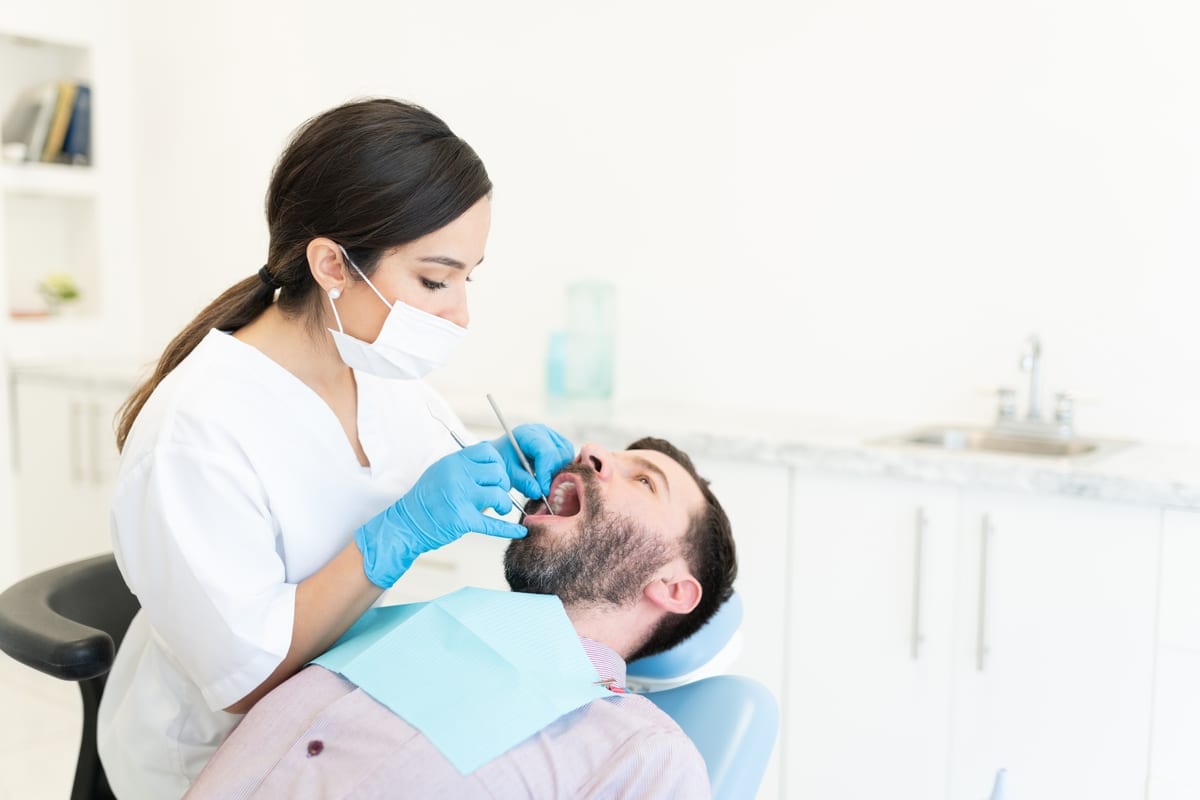
A regular cleaning is also called a prophylaxis, or prophy for short. It is designed for patients with generally healthy gums. Your dental hygienist removes plaque and tartar buildup from the surfaces of your teeth. They also polish your enamel and floss between each tooth.
Regular cleanings typically take 45 to 60 minutes. Most patients need one every six months. This schedule helps prevent cavities and keeps gum disease from developing. Think of it as routine maintenance for a healthy mouth.
During this visit, your hygienist will also check for early warning signs. Gum pocket depths are measured with a small probe. Readings of 1–3 millimeters are considered healthy. If those numbers start climbing, a deeper level of care may be needed.
What Is a Deep Cleaning and Why Is It Different?
A deep cleaning — clinically called scaling and root planing — goes far beyond what a standard cleaning covers. It targets bacteria and buildup that have settled below the gumline. This treatment addresses early to moderate gum disease, known as periodontitis.
When plaque hardens into tartar, it can work its way beneath the gums. This creates pockets where bacteria thrive. Those bacteria cause inflammation, bone loss, and eventually tooth loss if left untreated. A regular cleaning cannot reach these deeper pockets.
Scaling removes the hardened deposits from the tooth root surfaces. Root planing then smooths those surfaces so bacteria have fewer places to cling. This combination allows the gums to heal and reattach more tightly to the teeth.
- Scaling removes tartar and plaque from below the gumline
- Root planing smooths rough root surfaces to discourage bacterial buildup
- The procedure is typically completed in two appointments, one side of the mouth at a time
- Local anesthetic is often used to keep patients comfortable throughout
- A follow-up visit checks healing progress four to six weeks later
How Does Dr. Cash Determine Which Cleaning You Need in Mauldin?
The decision is based on clinical measurements, not guesswork. Dr. Lindsay Cash and her hygiene team assess your gum pocket depth at every visit. Pockets measuring 4 millimeters or deeper are a red flag. Combined with other signs, they indicate that gum disease may already be progressing.
Other factors also play a role in this evaluation. Bleeding gums, bone loss visible on X-rays, and visible tartar beneath the gumline all point toward the need for a deep cleaning. Gum recession is another common indicator. No single measurement tells the full story — your provider looks at the whole picture.
If your gums are healthy, a regular cleaning is all you need. If gum disease is present, a deep cleaning is the appropriate treatment. Skipping the deeper procedure will not make the disease go away. It will allow it to advance silently.
Patients who are interested in improving the appearance of their smile alongside their gum health can explore Cosmetic Dentistry Mauldin options available at Pearl Dental Studio. Healthy gums are the foundation for any cosmetic work.
Signs You Might Need a Deep Cleaning
Many patients with gum disease do not feel pain in the early stages. That is what makes it dangerous. You may have significant bacterial activity beneath your gums without realizing it. Watching for symptoms is an important part of staying proactive.
- Gums that bleed when you brush or floss
- Persistent bad breath that does not improve with brushing
- Gums that appear red, swollen, or puffy
- Teeth that feel loose or have shifted position
- Gums pulling away from the teeth, making them look longer
- Visible tartar buildup, especially near the gumline
Experiencing one or more of these symptoms does not automatically mean you need a deep cleaning. It does mean you should not delay your next dental visit. Early intervention prevents more invasive treatment down the road.
After a deep cleaning and successful healing, many patients become eligible to explore cosmetic improvements. You can learn more about your options at Cosmetic Dentistry Thank You Mauldin to see how Pearl Dental Studio supports your smile goals.
What to Expect After a Deep Cleaning
It is normal to experience some sensitivity and mild soreness after scaling and root planing. Your gums may feel tender for a few days. Over-the-counter pain relievers and a soft diet can help during this period. Most patients find the discomfort manageable and short-lived.
Your gums will begin to heal and tighten around your teeth in the weeks that follow. Follow-up appointments are an important part of the process. Dr. Cash will reassess your pocket depths to confirm the treatment is working. Some patients require ongoing periodontal maintenance every three to four months.
Committing to good home care accelerates recovery. Gentle brushing twice a day and daily flossing support the healing tissue. Your hygienist may also recommend a special rinse. These habits protect your investment in your oral health long-term.
Frequently Asked Questions
Is a deep cleaning painful?
Most patients tolerate the procedure well with local anesthetic applied to numb the area. You may feel some pressure during the treatment, but significant pain is uncommon. Post-procedure sensitivity typically fades within a few days. Over-the-counter pain relievers are usually sufficient for comfort afterward.
How long does a deep cleaning take compared to a regular cleaning?
A regular cleaning typically takes 45 to 60 minutes. A deep cleaning usually requires two appointments of about 60 to 90 minutes each. The mouth is divided into quadrants, and one side is treated per visit. This approach keeps you comfortable and allows adequate healing time between sessions.
Can I go back to a regular cleaning schedule after a deep cleaning?
It depends on how well your gums respond to treatment. Some patients transition back to a twice-yearly regular cleaning after successful healing. Others may need periodontal maintenance visits every three to four months on an ongoing basis. Dr. Cash will evaluate your progress and recommend the best schedule for your situation.
Will my teeth feel different after a deep cleaning?
Yes, some patients notice their teeth feel smoother along the roots. You may also notice temporary sensitivity to hot or cold foods and beverages. As your gums heal and reattach, this sensitivity typically decreases. Any persistent or worsening discomfort should be reported to your dental provider promptly.
How do I know if I need a deep cleaning before my appointment?
You cannot reliably self-diagnose gum disease without clinical measurements. That is why regular dental exams are so important. Signs like bleeding gums, bad breath, or gum recession suggest a professional evaluation is overdue. Booking an exam at Pearl Dental Studio is the most reliable way to know exactly where your gum health stands.
Whether you are due for a routine visit or suspect something more is going on beneath the surface, the team at Pearl Dental Studio is here to guide you with care and clarity. Dr. Lindsay Cash serves patients throughout Mauldin and the surrounding Simpsonville area with a commitment to honest, patient-centered dentistry. Book Now to schedule your appointment with our team.