117 Batesville Road, Suite 202, Simpsonville, SC 29681

Many patients in Simpsonville ask a very reasonable question: can dental implants really last a lifetime? It is one of the most common things Dr. Lindsay Cash hears at Pearl Dental Studio. The short answer is yes — but with important conditions. Understanding those conditions helps you protect your investment for decades to come.
Dental implants are designed to be a permanent tooth replacement solution. When properly placed and maintained, they can genuinely outlast other restorative options. However, longevity depends on several factors that every patient should understand before moving forward.
How Long Do Dental Implants Typically Last in Simpsonville?
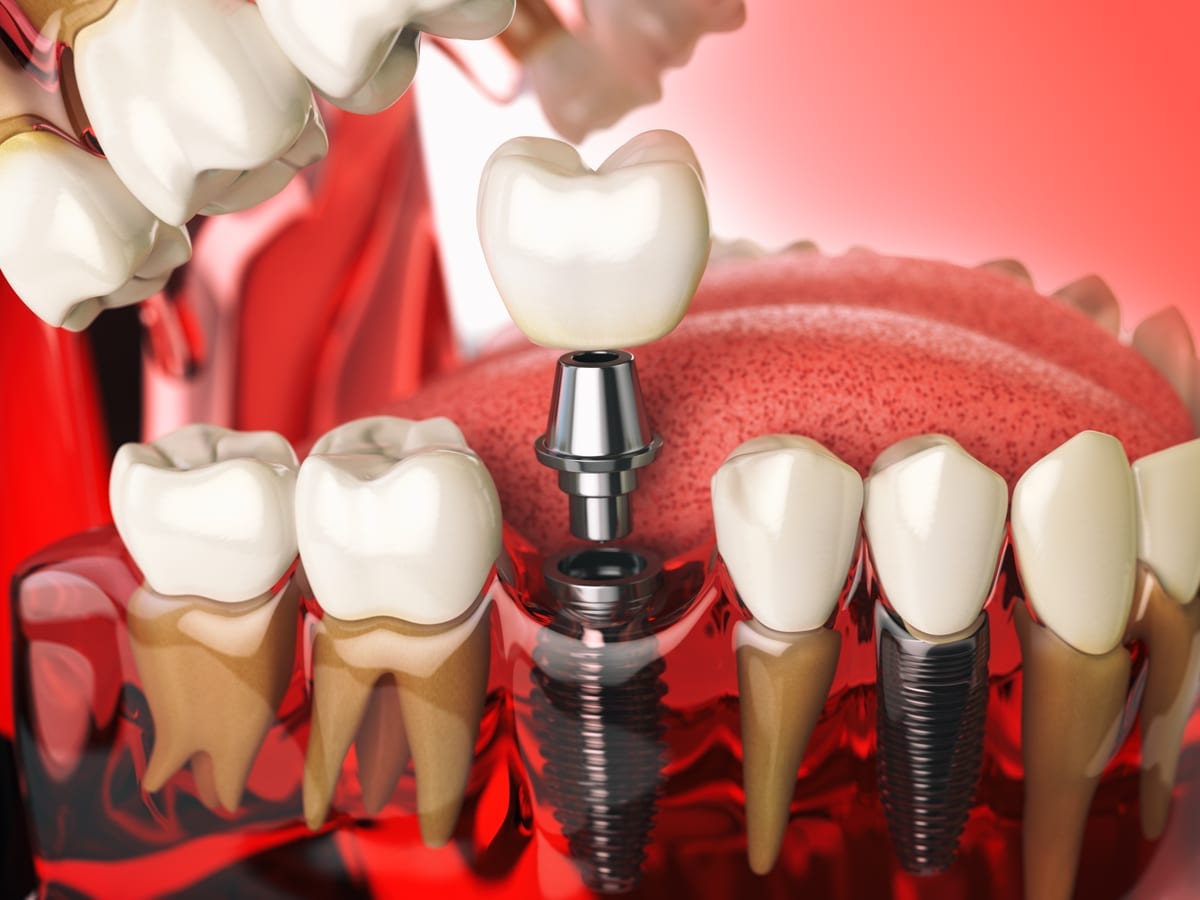
The titanium post surgically placed into your jawbone is the most durable part of the implant system. Studies show that implant posts can last 25 years or longer — often a lifetime. The crown attached on top typically lasts 10 to 15 years before needing replacement due to normal wear.
That distinction matters. When someone asks whether dental implants really last a lifetime in Simpsonville, the answer depends on which part of the implant you mean. The post is extremely durable. The crown requires more routine attention and eventual replacement.
Compared to Dental Bridges, which typically last 10 to 15 years before requiring replacement or adjustment, implants offer a significantly longer lifespan for the underlying structure. That makes them an appealing long-term solution for many patients.
Key Factors That Shorten Implant Lifespan
Not every implant lasts as long as it could. Several lifestyle and health factors can significantly reduce longevity. Being aware of these risks helps you make informed decisions and take preventive action.
Here are the most common factors that shorten dental implant lifespan:
- Smoking or tobacco use — Tobacco restricts blood flow and interferes with healing, increasing failure risk dramatically.
- Poor oral hygiene — Bacteria buildup around the implant site can lead to peri-implantitis, an infection that destroys bone tissue.
- Uncontrolled diabetes — High blood sugar slows healing and increases infection risk at the implant site.
- Teeth grinding (bruxism) — Chronic grinding places excessive pressure on the implant crown and post.
- Bone loss or low bone density — Insufficient jawbone support compromises implant stability over time.
- Skipping dental checkups — Problems caught early are far easier to treat before they become failures.
Dr. Cash evaluates all of these factors during your initial consultation at Pearl Dental Studio. Identifying risks early allows the team to create a treatment plan that maximizes your implant’s lifespan.
What You Can Do to Make Dental Implants Last a Lifetime
The good news is that most longevity factors are within your control. Small, consistent habits make an enormous difference over the years. Patients who commit to proper care routinely enjoy implants that last 20, 30, or even 40 or more years.
Here are the top habits that protect and extend your dental implant lifespan:
- Brush twice daily with a soft-bristled toothbrush around the implant site.
- Floss daily using implant-specific floss or a water flosser to remove bacteria near the gumline.
- Attend regular checkups at Pearl Dental Studio — at least twice per year for cleaning and X-rays.
- Wear a night guard if you grind your teeth while sleeping.
- Quit smoking or avoid tobacco entirely to support healthy bone and gum tissue.
- Manage chronic conditions like diabetes with your primary care physician.
- Avoid chewing ice or hard objects that can crack or chip your implant crown.
These steps are simple but powerful. Most dental implant failures are preventable with consistent care and regular professional monitoring.
How Pearl Dental Studio Supports Long-Term Implant Success
At Pearl Dental Studio in Simpsonville, Dr. Lindsay Cash takes a comprehensive approach to implant dentistry. The process begins long before the implant is placed. Careful planning, precise placement, and ongoing follow-up all contribute to exceptional long-term outcomes.
Dr. Cash reviews your bone density, gum health, and overall medical history before recommending implants. If bone grafting is needed, she addresses that proactively. This preparation gives every implant the strongest possible foundation from day one.
After placement, the Pearl Dental Studio team provides detailed aftercare guidance. They monitor healing, check bite alignment, and watch for early signs of infection or bone loss. This ongoing relationship is what separates a successful long-term implant from one that fails prematurely.
Patients exploring full smile transformations sometimes combine implants with other treatments. Options like Dental Veneers can complement implants by improving the appearance of surrounding natural teeth. Dr. Cash helps patients understand which combination of treatments best fits their smile goals and long-term dental health.
Is a Lifetime Implant Realistic for You?
Whether dental implants can really last a lifetime in Simpsonville depends partly on your health profile and partly on your commitment to care. For many patients, the answer is a confident yes. For others, certain risk factors require extra attention and proactive management.
The most important step is scheduling a thorough consultation. Dr. Cash will evaluate your specific situation honestly and transparently. She will discuss realistic expectations based on your bone health, lifestyle, and goals — not just the best-case scenario.
Dental implants represent one of the most significant investments you can make in your oral health. When you understand the factors that support longevity, you are far better positioned to protect that investment for life. Simpsonville patients consistently find that with the right care and the right provider, a lifetime of implant success is absolutely achievable.
If you are ready to explore whether dental implants are the right long-term solution for you, the Pearl Dental Studio team is here to help. Book Now to schedule your appointment with our team.
Frequently Asked Questions
Can dental implants really last a lifetime in Simpsonville?
Yes, dental implants can last a lifetime for many patients. The titanium post that integrates with your jawbone is extremely durable and often lasts 25 or more years. The crown on top typically needs replacement every 10 to 15 years due to normal wear. Proper oral hygiene, regular dental visits, and a healthy lifestyle significantly increase long-term success rates.
What is the most common reason dental implants fail?
The most common reason for dental implant failure is peri-implantitis, which is an infection around the implant site caused by bacteria buildup. Poor oral hygiene is the leading contributor. Smoking, uncontrolled diabetes, and inadequate bone density are also major risk factors. Most failures are preventable with consistent care and routine checkups.
How do dental implants compare to dental bridges in terms of longevity?
Dental implants generally outlast dental bridges in terms of the underlying structure. Bridges typically last 10 to 15 years before requiring replacement. The implant post, by contrast, can last a lifetime when properly maintained. However, both are effective solutions depending on the patient’s specific situation and oral health needs.
Does smoking really affect how long dental implants last?
Yes, smoking has a significant negative impact on dental implant longevity. Tobacco reduces blood flow to the gums and bone tissue, which interferes with the healing process called osseointegration. Smokers have a much higher implant failure rate than non-smokers. Quitting smoking before and after implant placement greatly improves long-term outcomes.
How often should I visit Pearl Dental Studio after getting dental implants?
Dr. Lindsay Cash recommends visiting Pearl Dental Studio at least twice per year after receiving dental implants. These visits include professional cleanings, X-rays to monitor bone levels, and bite assessments. More frequent visits may be recommended for patients with higher risk factors. Early detection of any issue is key to protecting your implant for the long term.