117 Batesville Road, Suite 202, Simpsonville, SC 29681

That sudden, sharp jolt when you bite into something isn’t just uncomfortable — it’s your tooth telling you something is wrong with your oral health. The challenge is that bite pain can stem from several different conditions, and without a proper clinical evaluation, it’s nearly impossible to know which one you’re dealing with. Guessing wrong and waiting it out rarely works in your favor.
If you’ve been searching for a dentist near Simpsonville, SC, to find out what’s causing that pain, Pearl Dental Studio has the diagnostic tools and clinical approach to give you a clear answer. But first, here’s what bite pain signals and why pinpointing the cause matters so much for treatment.
Why Biting Pain Is Different from General Tooth Sensitivity
General sensitivity – the kind triggered by hot coffee or cold ice cream usually points to enamel erosion, exposed dentin, or early-stage gum recession. Bite pain is more specific. It’s triggered by mechanical pressure, meaning the force of chewing stresses a tooth or its supporting structure, activating pain receptors. That’s a narrower list of likely causes, and each one has a different treatment pathway.
The location, duration, and quality of the pain all matter diagnostically. A sharp stab that fades immediately suggests something different than a lingering ache after pressure is released. Pain in one specific tooth versus a diffuse discomfort across several teeth points in different directions. These distinctions are exactly what a thorough dental evaluation is designed to untangle.
The Most Likely Causes of Sharp Bite Pain
Cracked Tooth Syndrome
This is one of the most common and most frustrating causes of bite pain, largely because cracks are often invisible on standard X-rays. A hairline fracture in a tooth creates an incomplete split that moves slightly under biting pressure, stimulating the nerve inside. The pain is typically sharp, immediate, and highly localized to the affected tooth. It often reproduces predictably on biting in a specific direction or on a particular part of the tooth.
Cracked tooth syndrome is more prevalent in adults who grind their teeth, have large existing restorations, or have experienced dental trauma. Greenville County’s warm climate helps residents foster an active lifestyle through sports and outdoor activities, as well as the occasional fall or collision that can put teeth at risk. When patients in Simpsonville come in with bite pain, cracked tooth syndrome is high on the diagnostic list.
A Failing or Fractured Filling
Old fillings can develop cracks or pull away from the tooth structure over time. That gap creates two problems: bacteria can infiltrate and cause decay underneath, and the weakened tooth becomes more vulnerable to fracture under chewing forces. The pain pattern often mimics cracked tooth syndrome but may also include sensitivity to temperature if decay has progressed toward the pulp.
Dental Abscess
An abscess develops when bacterial infection reaches the pulp – the soft tissue inside the tooth containing nerves and blood vessels. The resulting pressure buildup can make even light biting intensely painful. Unlike cracks or fracture pain, abscess-related bite pain tends to be more constant, may be accompanied by swelling or a visible pimple-like bump on the gum, and can produce a feverish, unwell feeling in more advanced cases. This is a situation that warrants prompt attention, not a wait-and-see approach.
Periodontal (Gum) Ligament Stress
The periodontal ligament is the fibrous tissue that anchors each tooth to the surrounding bone. Inflammation of this ligament from grinding, a high bite after a recent filling, or early-stage gum disease can make the tooth feel tender to pressure, even when the tooth itself is structurally intact. Patients often describe it as the tooth feeling slightly sore or bruised, rather than producing sharp, electric-like pain.
A High Bite After Dental Work
Sometimes bite pain develops after a recent filling, crown, or other restoration. If the restoration sits even slightly higher than the natural bite plane, the tooth absorbs more force than it should with every chew. This resolves quickly once the dentist makes a simple bite adjustment, but it can feel painful or annoying until the patient undergoes the treatment. It’s better not to tolerate the pain.
If you don’t know a local dentist, you can find one by simply searching ‘dentist near me’.
How Diagnosis Actually Works
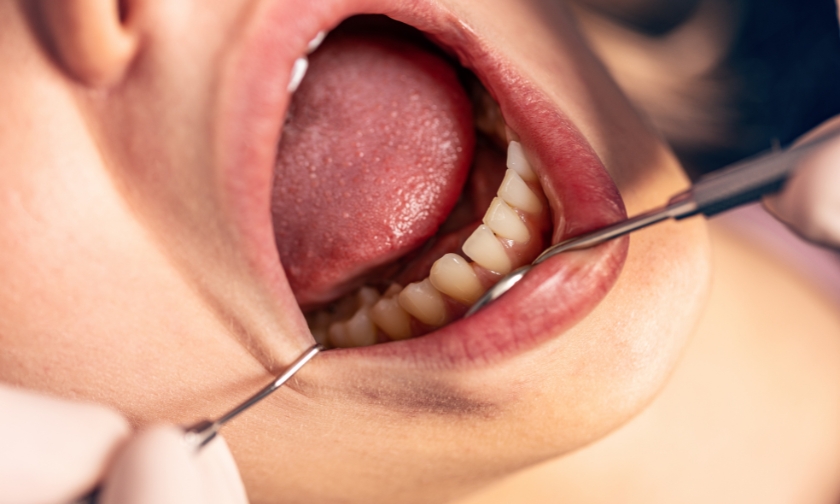
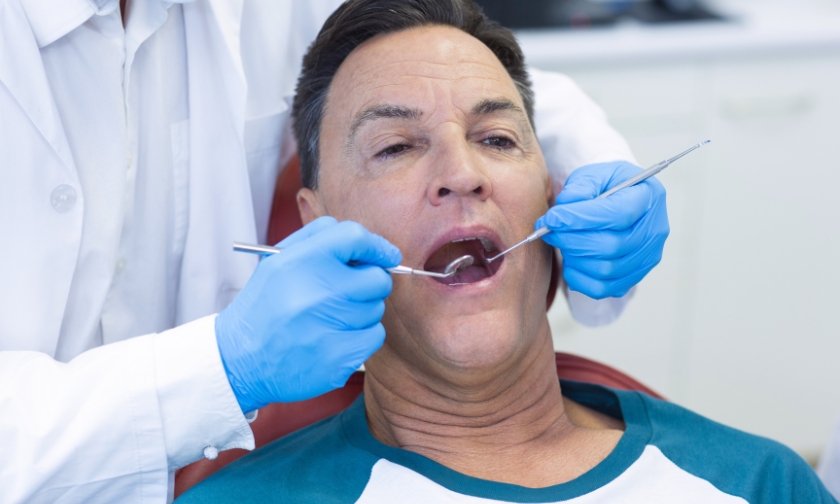
Diagnosing bite pain requires more than a visual check. At Pearl Dental Studio, the evaluation process typically includes a combination of the following:
- Percussion testing — gently tapping the tooth to reproduce the pain response and identify the specific tooth involved
- Dental X-rays to evaluate bone levels, pulp health, and existing restorations, though cracks themselves are rarely visible on imaging
- Periodontal probing — measuring gum pocket depths to assess whether periodontal disease may be contributing to the pain
In some cases, transillumination (shining a special light through the tooth) can reveal crack lines that aren’t otherwise visible. The diagnostic picture that emerges from combining these tests usually points clearly toward a cause and a treatment recommendation.
Why Waiting Tends to Make Things Worse
Bite pain rarely stabilizes on its own. A hairline crack that goes unprotected tends to deepen and widen with continued chewing force, eventually reaching the pulp and requiring a root canal, or fracturing severely enough to require extraction. An untreated abscess can spread infection to adjacent teeth and, in serious cases, beyond the jaw. What’s treatable with a crown today can become a far more complex situation in a few months.
Getting a proper diagnosis quickly gives you options. It almost always results in a simpler, less involved treatment than waiting does.
Bite Pain Deserves a Real Answer — Not Mere Guesses
Sharp pain when biting is specific enough that a thorough clinical evaluation can almost always identify the source. If you’ve been putting off addressing it, now is a reasonable time to stop.
Pearl Dental Studio is a trusted dentist near Simpsonville for patients dealing with exactly this kind of concern. Book your appointment online or call the office today and get the diagnosis that tells you what’s actually going on and what to do about it.